Session 60 — April 2020
'Doing nothing', living from the subconscious mind, and the inner child who resists being told what to do ▶ Play excerpt03:11
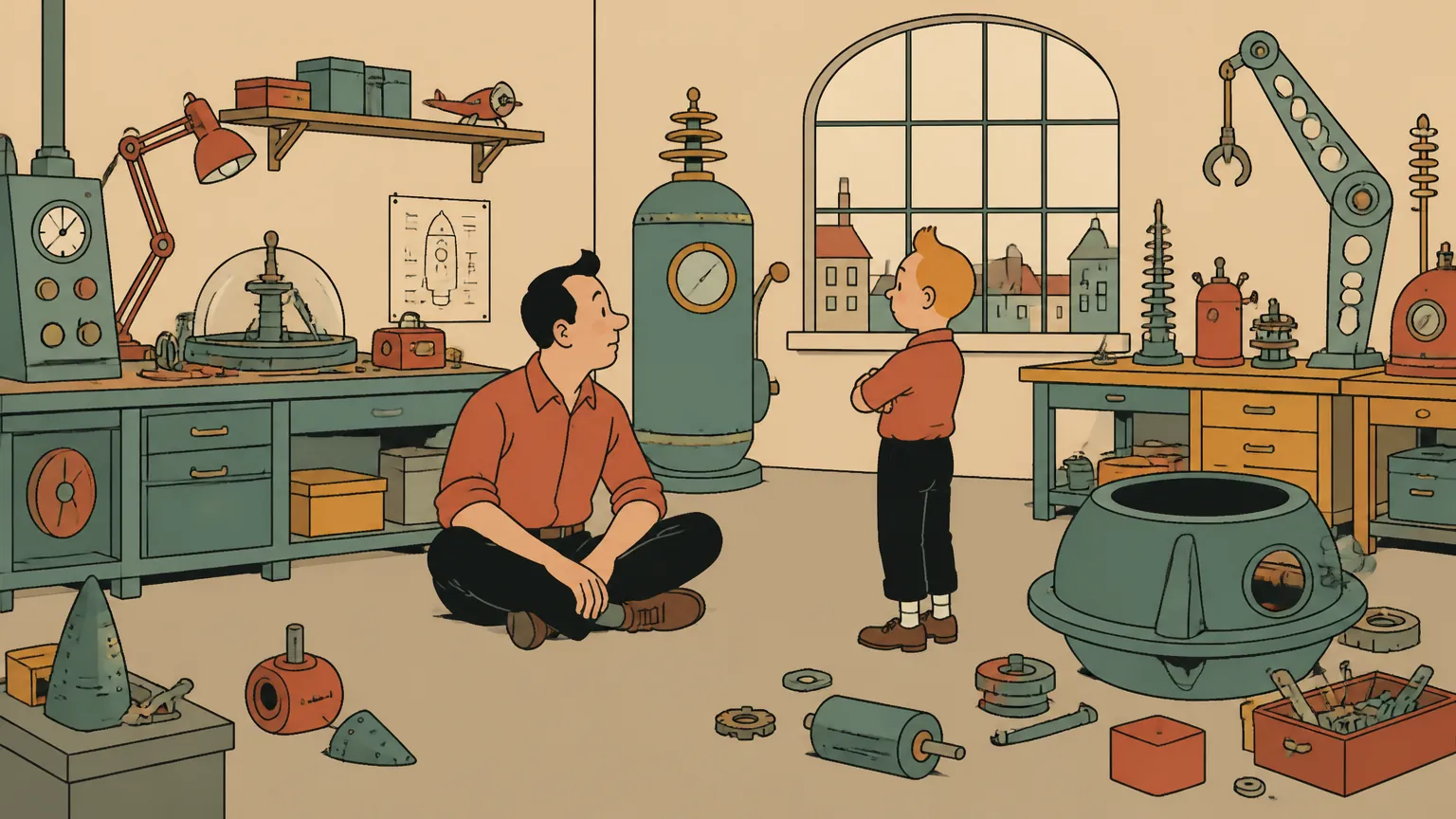
Frederic asks how the earlier observation that he likes doing nothing relates to the idea of living from the subconscious mind.
The Wonders say the two are close: for him the subconscious mind is about exploring existence with greater ease - without pushing, defining, judging, fearing or feeling guilt - and that is how he wanted to explore existence.
But he incarnated into a family very much built on fear, judgment and guilt, so he began experiencing existence from that perspective.
His conscious desire to do nothing is really a way of saying he does not want fear, judgment and guilt, which he equates with having to do something, and is an attempt to remind himself why he came here.
They note he is creative and talented and enjoys tinkering, playing and doing things, but does not enjoy being told what to do because that triggers the fear, judgment and guilt of his childhood.
Asked whether he can choose not to react that way, they point to his daughter: when told what to do she sometimes says an adamant no, and he is the same - that part of him has not grown up and is still a child part that needs to be given the awareness that he is no longer a child.
If he does that, that part of his mind can mature and find another coping mechanism, another way to say no or resist without completely shutting down.
Are humans adults or children? The mature versus the merely logical mind ▶ Play excerpt01:24
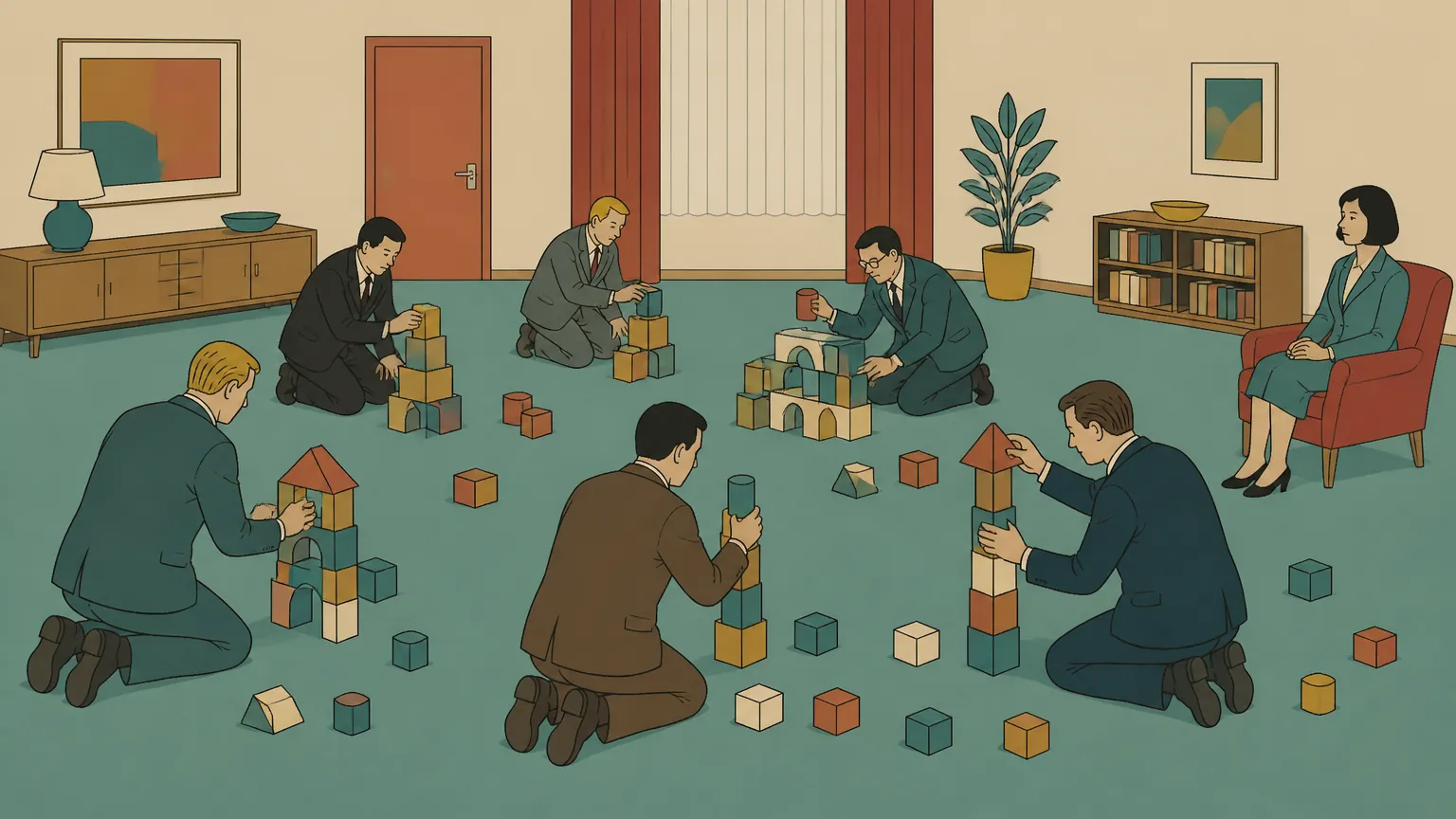
Frederic asks whether humans overall can be considered adults or still children.
The Wonders answer children: most human minds, whether in adults or children, are very childish, the majority completely so, while those with genuinely mature minds are a very small minority.
When Frederic asks whether one can have a mature mind without a heart, they clarify that a mature mind does not mean a strictly logical mind - the purely logical mind is a childish mind.
Unexplored inner territory and the mind as a tool for observing without judgment ▶ Play excerpt03:19
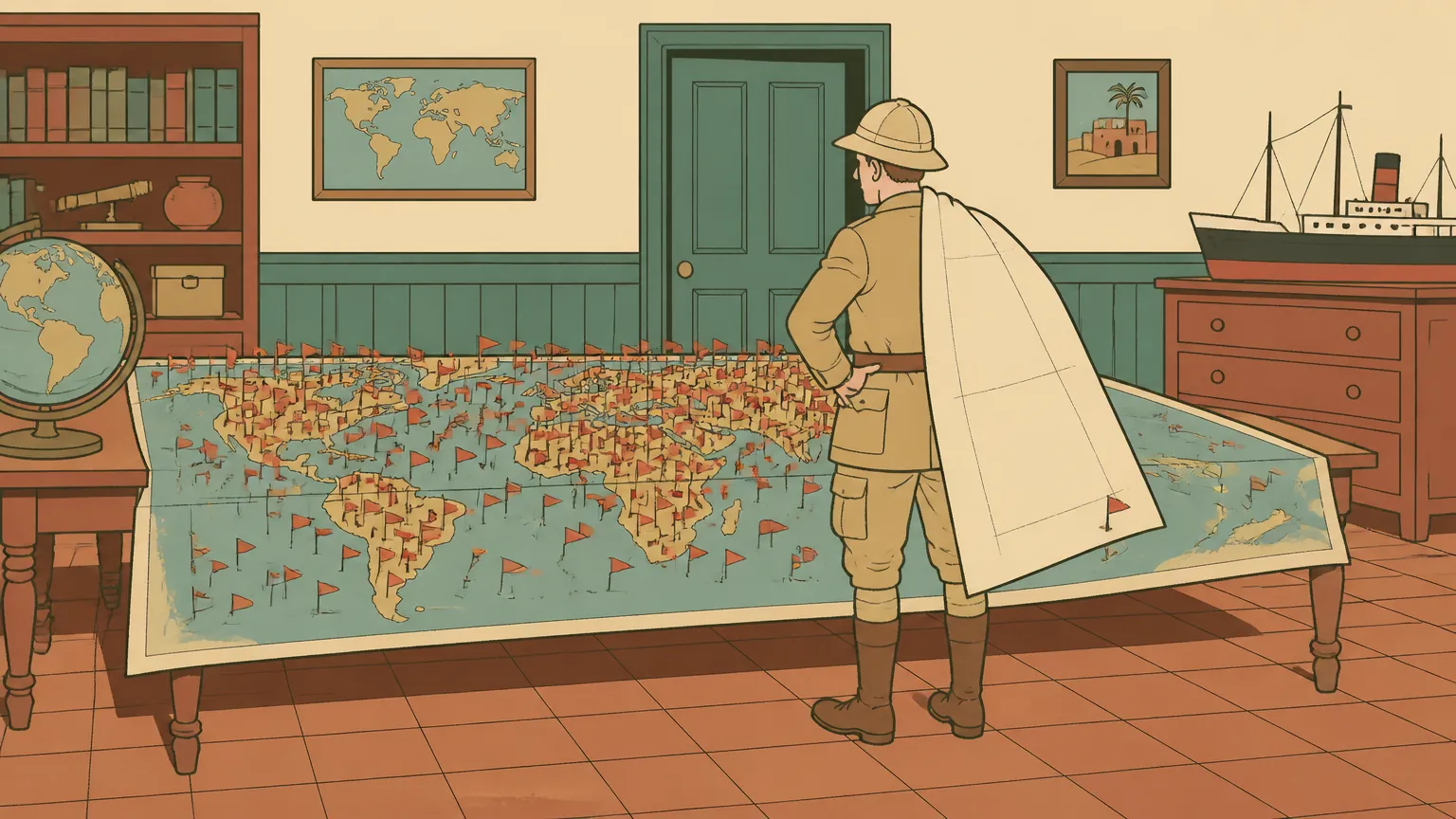
Frederic notes that humans explore outward into places never visited and asks whether there are similarly unexplored parts on the inside.
The Wonders say there are many: he has explored a good portion of himself, but many aspects he created when it was necessary have not been explored further.
They reiterate that the mind is an amazing tool, and ask what happens when the self decides to use it to its fullest advantage - anything becomes possible, with the mind able to explore not just the physical realm but the interconnection of the physical and non-physical.
It will not make the choices for him, but it offers the opportunity to observe if he does not judge; he must train his mind to observe without judgment, which most people never do, and if he can, there are limitless possibilities of exploration including encountering the all-that-is.
Asked whether there is something unexplored that could benefit all of humanity, they say one reason they came into this existence at this time was to help humanity gain a perspective of its own self-empowerment - to realize that through choosing it can express itself without limits, fears, judgments and guilt.
That is what humanity is in the process of learning, though at present humans behave like children fighting, complaining, pulling hair and kicking each other in order to demonstrate their fears, and only a few will choose to explore self-empowerment before humanity moves beyond that.
Anger at being told what he is allowed to do, and finding pleasurable coping mechanisms ▶ Play excerpt04:01
Frederic says anger is triggered in him from time to time when he is told what he is allowed or not allowed to do.
The Wonders identify this as the child inside him pushing against his parents, who told him what he could and could not do; it has nothing to do with present reality.
He acknowledges that his overall situation is good.
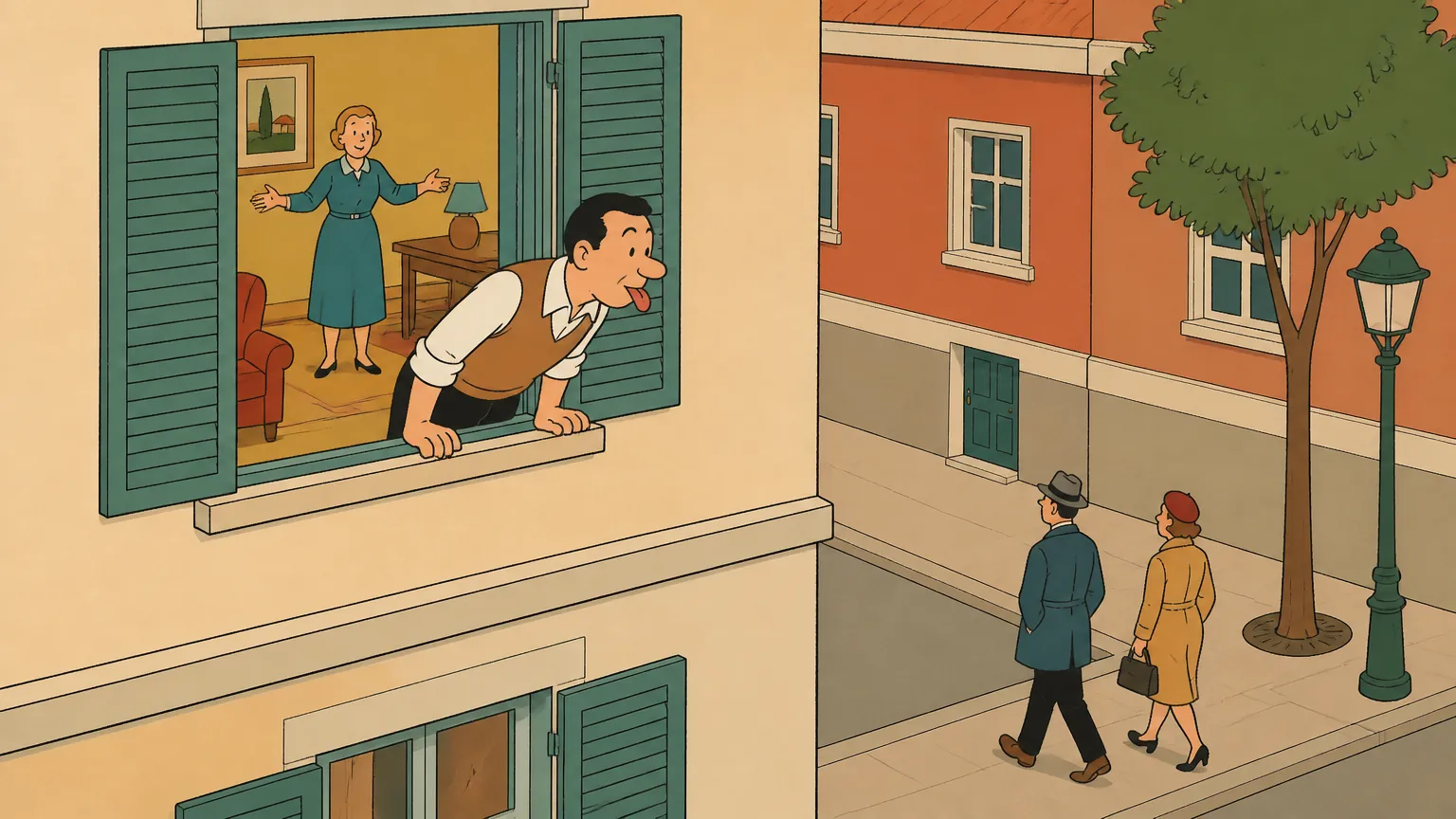
They suggest that when the anger arises he turn to his wife and ask for a big hug, and let it go further if it will, saying there is always a good coping mechanism for circumstances of fear - something that both removes the fear and gives pleasure, whether playing chess or standing at the window sticking his tongue out at passers-by.
When Frederic notes that the latter is childish yet still fun and joyful, they agree, saying he must be willing to honor the small part inside that wants to be a child right now; he observes that his daughter likewise plays at being afraid when she is not.
In the post-session reflection the channel reports seeing Frederic sticking his tongue out at people from an apartment window, and relays a message from the Wonders suggesting he consider lengthening his sessions, since the 15-minute format does not give enough time to explore - over the last three or four sessions they could have continued much further but had to stop because of the time constraint.