Session 61 — May 2020
Monthly review: realization that all perspectives come from the same consciousness ▶ Play excerpt08:52
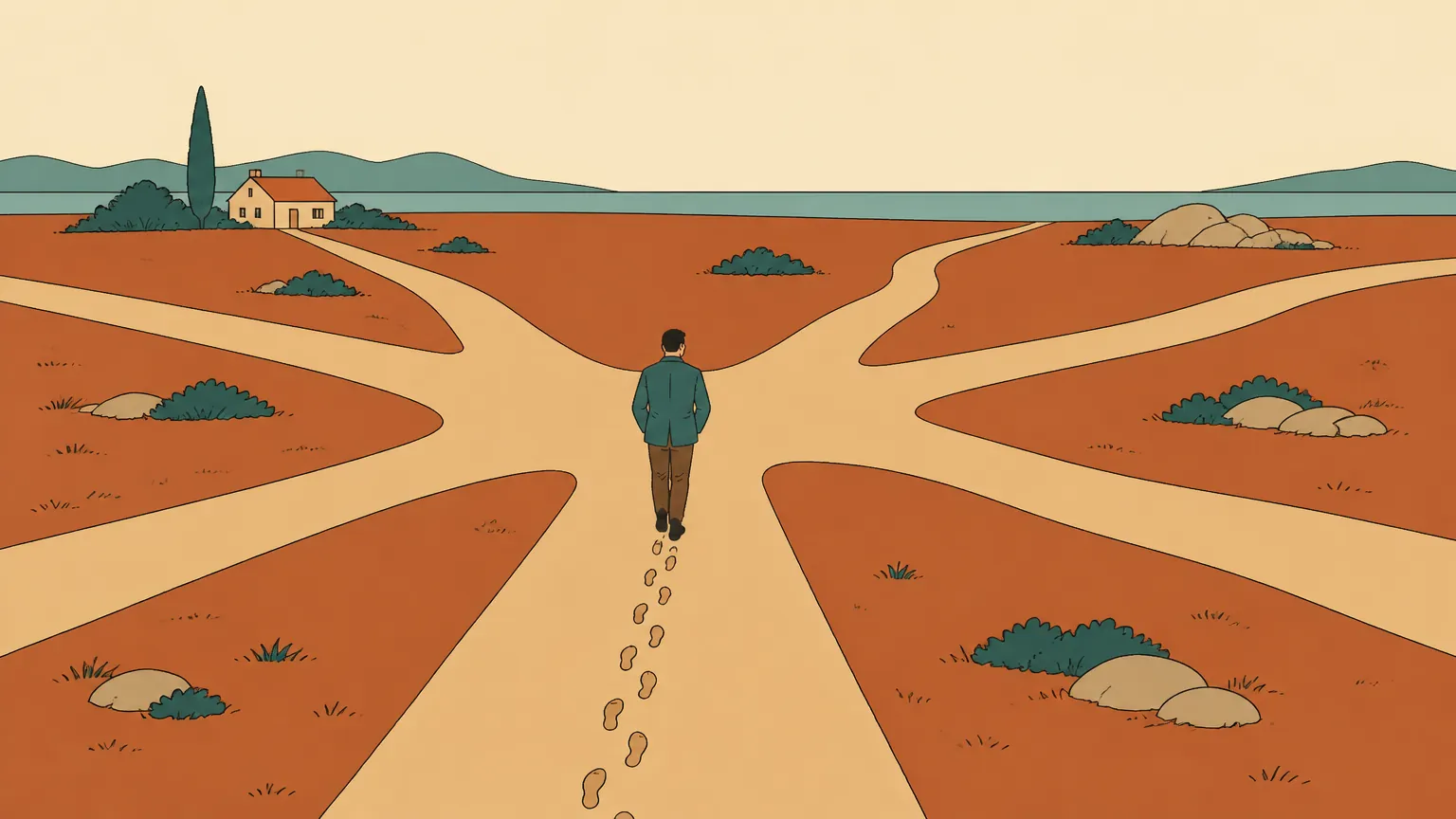
Frederic reports a month driven by a desire to explore beyond his current boundaries.
He noticed that people insisting they are right are all coming from the same consciousness (fears and judgments in different shapes), and that this realization brought him a period of peace.
He asks whether there is a fear that if he goes all the way into having no attachments and no aversions he will no longer be able to function in the world.
The Wonders confirm both that fear and a second one: that he will not be able to get back.
They stress that a realization is momentary and that trying to drag the moment forward is the error; the useful work is to observe what has changed within himself.
Frederic identifies that he has become far more allowing and tolerant where he would previously have judged.
The Wonders encourage him to now observe what other changes are building in his conscious and subconscious, noting that he allows and encourages realizations while his mind has the 'aha' moment, and that a receptive subconscious lets change occur quickly.
Frederic then raises his long-standing puzzle of how to choose without controlling, describing choosing a path without knowing where it leads or holding expectations.
The Wonders affirm this: he is picking based on a subconscious awareness connected to his soul essence, felt as a feeling rather than heard as words, and following that feeling is what 'command' actually is - not knowing, not the how-to, just making a choice and going with it.
Frederic notes the feeling has proved reliable, citing holidays that never felt right to book and that he would not have been able to take.
Fear around returning to writing and the belief that it earns no money ▶ Play excerpt03:19
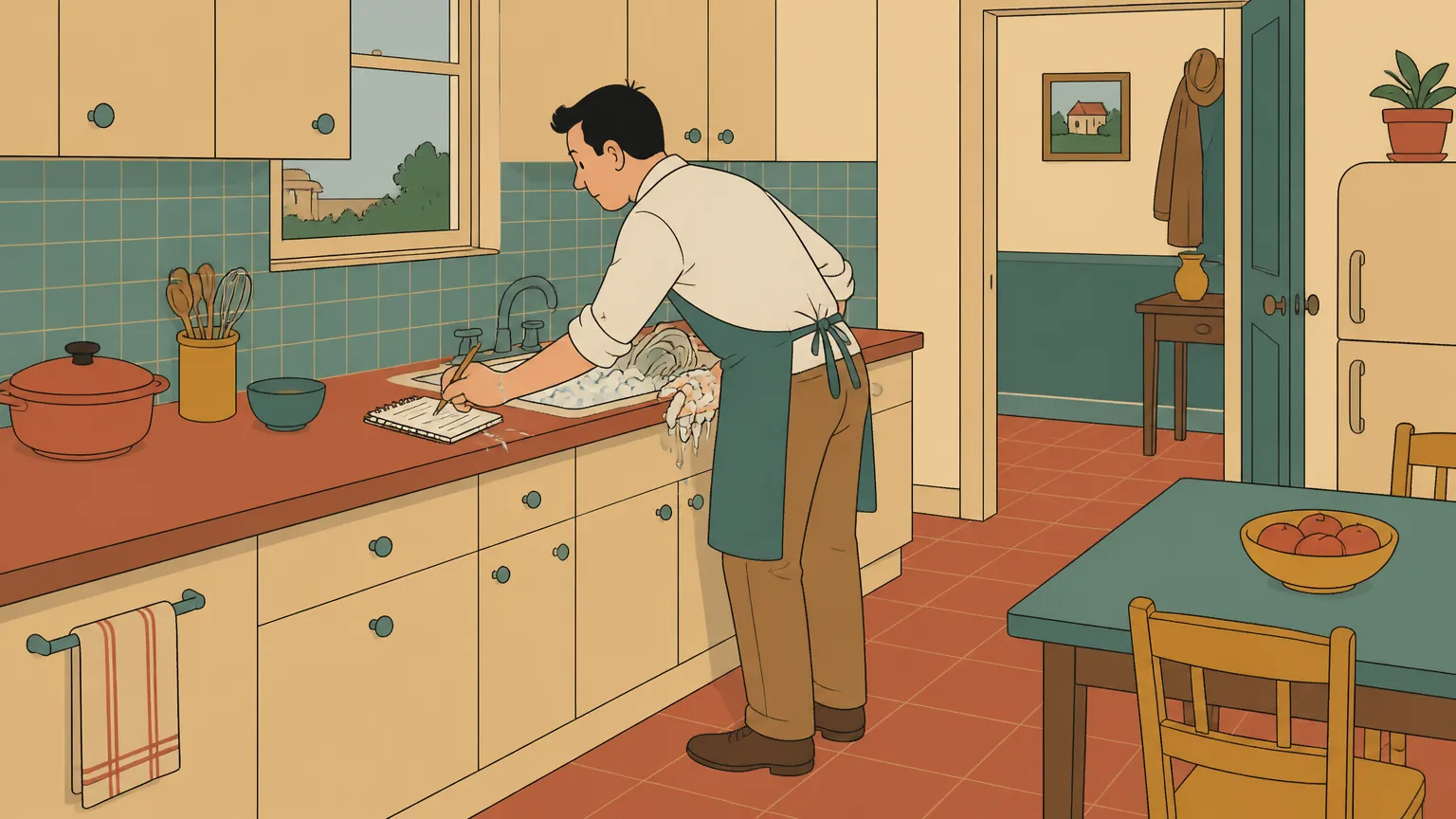
Frederic says he wants to return to writing at some point but is still stuck in a belief, probably picked up from his father, that you do not make money with it.
The Wonders advise him not to do it for money but because it is fun: write when the urge takes him, do not write when it does not.
It is not about producing a manuscript or a new career, it is about writing, period.
Frederic realizes the person most helped by his writing is himself even if nobody reads it, and the Wonders tell him to write for and to himself, adding that he may later decide to publish it anyway.
They broaden the point: he should listen to the small part inside that simply encourages him - not the part that chooses, wants, or fears - and observe that events and circumstances showing up in life are all encouragements of one form or another, some to move past fears, some to take a certain direction.
COVID-19 described as a war and the inflation of language ▶ Play excerpt06:22
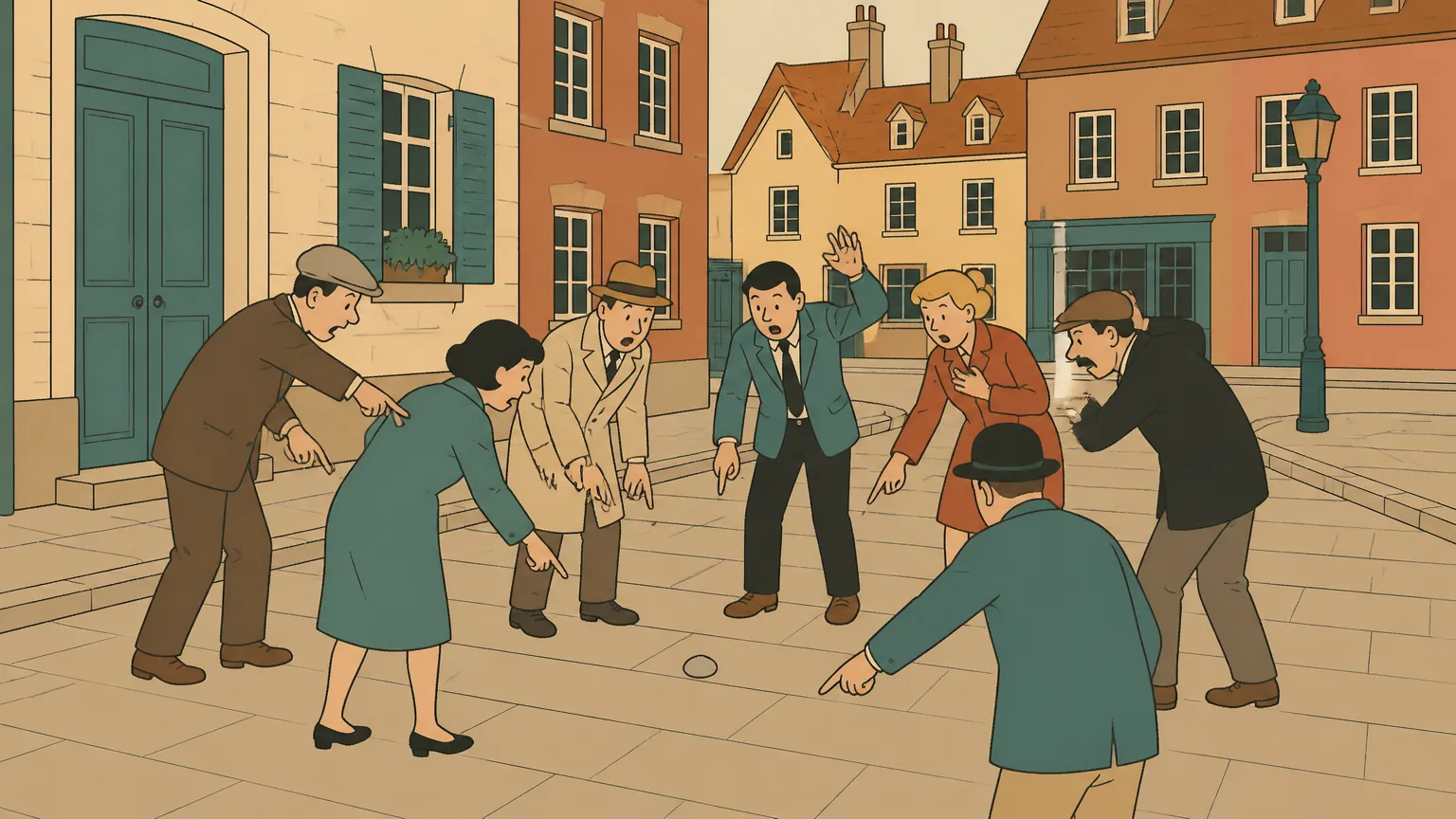
Frederic observes that many people talk about the virus as if it were a war, though his generation, unlike his grandparents, has never experienced war, and he wonders whether war is an unconscious substitute for feeling alive.
The Wonders answer that war is more the definition of the uncontrollable, and that people invoke war to validate the choices they are making around COVID-19: the struggle is great, uncontrollable, overwhelming, but I survived.
This validates their fear, judgment and guilt.
Looked at plainly, they say, COVID-19 is simply a virus; it can kill, but the virus itself does not kill - conditions in the body deteriorate bodily function, mostly as an acceleration of pre-existing conditions, and the will of many sufferers is not great enough or they do not wish to survive in that circumstance.
They state it is governments and people, not the virus, that are destroying society, and that fear had to be elevated to a pandemic reality to validate a war-measures response, which politicians willingly supply because they follow rather than lead.
They contrast the real horrors of the First and Second World Wars with dying peacefully on a ventilator, and attribute the world's over-the-top language to Donald Trump's influence and the American public's validation of it - everything must be the biggest, best and greatest.
They predict each successive event will attract still larger language, calling it end-of-world, Chicken Little thinking.
Being in a minority, self-selected like-minded circles, and what society to build ▶ Play excerpt02:57
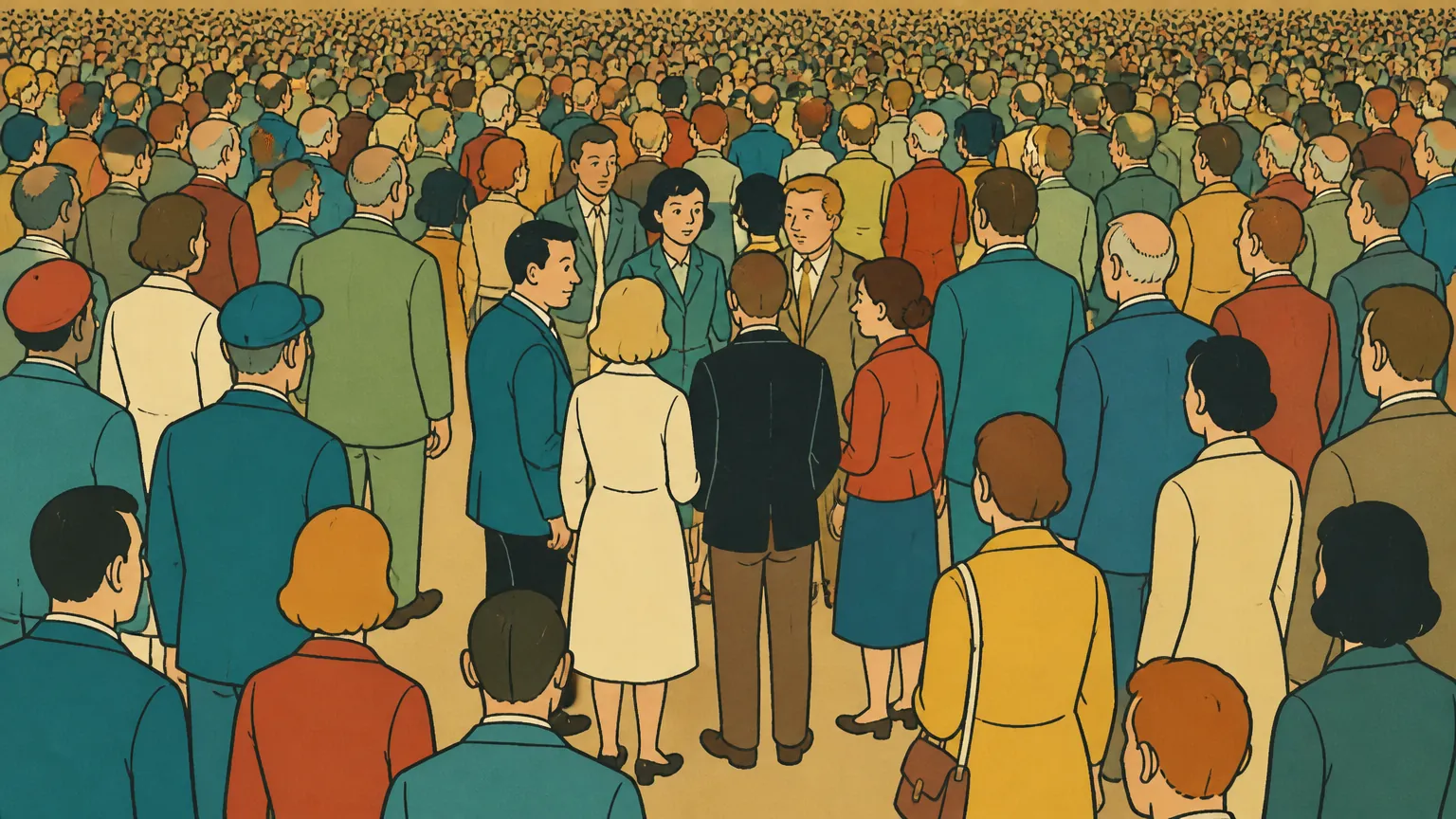
Frederic asks whether those objecting to handing power to governments are in fact a minority.
The Wonders say very much so, and point out his sample is biased because he has surrounded himself with like-minded people - his own little enclave of anarchists.
Frederic recognizes his belief that whatever the system is he can use it and work around it, which is why he never questioned what a system should ideally look like.
The Wonders name this as self-centered in the sense that he has always assumed he can live his own life regardless, and say the present moment offers an opportunity for people of like mind to invest themselves in the conversation about what they want their society to become: one reflecting fear, judgment and guilt, or one based on real leadership rather than politicians too afraid to lead and citizens who do not vote because they see no value in it.
Contribution through posing questions and making statements without attachment to the result ▶ Play excerpt09:49
Frederic objects that if everyone votes from a consciousness of fear and judgment, the outcome will reflect only that, and mentions having jokingly favoured an enlightened dictator.
The Wonders reframe his contribution: it could simply be to ask questions in a public way that lead others to reflect and ponder, without attachment to the reflection or the results.
Frederic pushes back on two points - he has never cared about 'country' (the Wonders reply it can be society, friends, environment or family) and he doubts people listen to anyone but those making strong statements.
The Wonders reply that this is not about being listened to, having an impact, or creating a cause and effect: he should express the question and then move on, letting it go, not involving himself in the ensuing conversation.
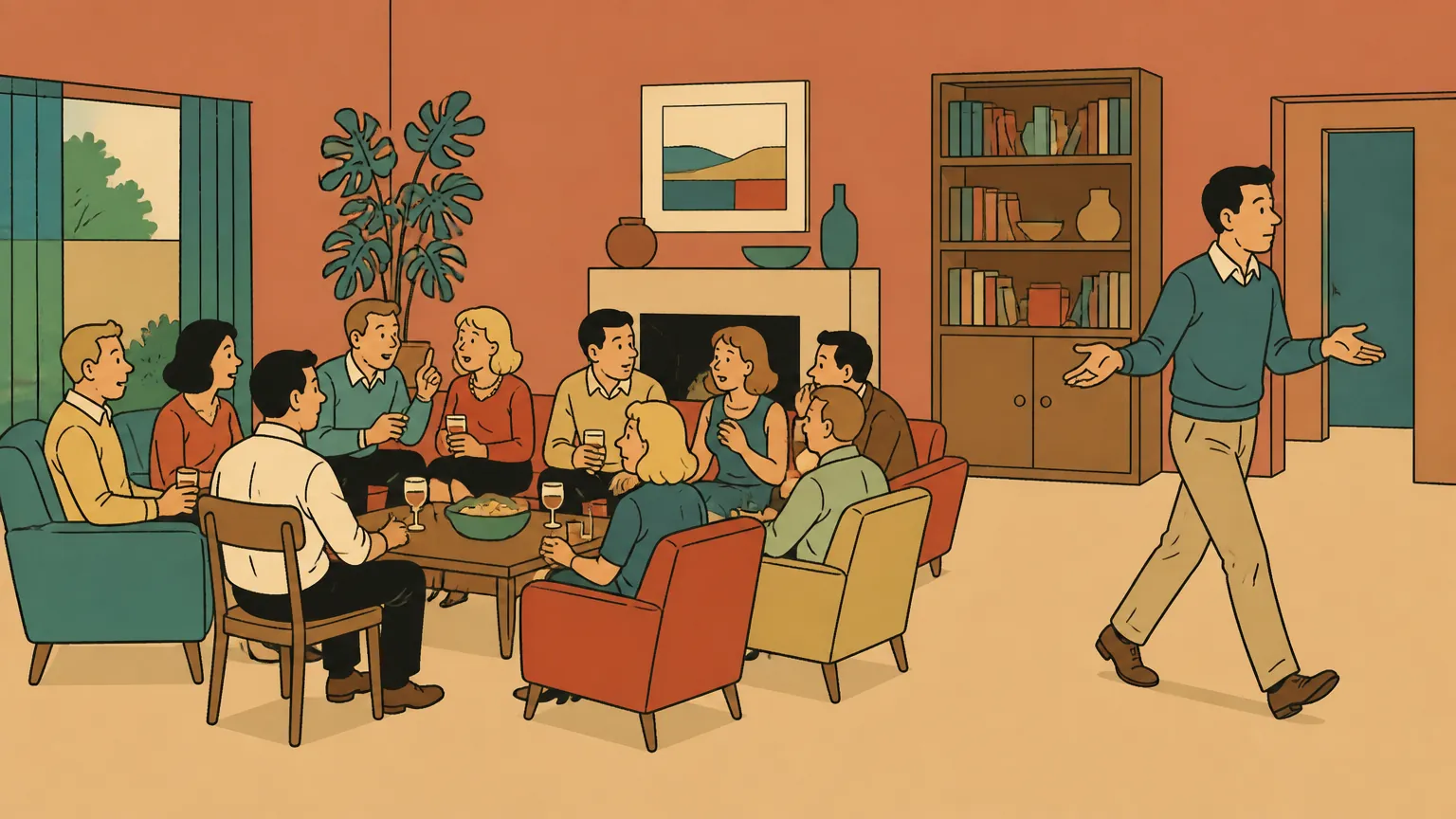
They illustrate with sitting among ten friends over a drink, wondering aloud how the world moves forward without consensus, and then walking away; some take it up, some do not, and it does not matter.
Frederic recognizes a psychology to change - he never believed he could have any impact, and so never expressed himself at all.
The Wonders correct him again: he is not creating a cause or looking for an effect, he is making a statement, nothing more, nothing less; even saying the sky is purple and walking away leaves the conversation to others.
Asked whether it must be public, they say a thought kept internally will eventually reach everyone anyway since his thoughts are everybody's thoughts, but voicing it physically gives others the chance to physically voice theirs too.
Frederic notes that when he explored how a society should be structured, the only answer he arrived at was everyone being and expressing themselves, which the Wonders equate to the statement 'I am me'.
After the session formally closes, the Wonders describe a humorous image of Frederic in old-fashioned wedding clothes, jodhpurs and a jaunty hat, reading a statement from a scroll, rolling it up and walking away smiling while everyone below argues.