Session 59 — March 2020
Arrogance about intelligence and contempt for the human race ▶ Play excerpt04:51

Frederic asks whether, if all the races of the universe were ranked from most stupid to most intelligent, humanity would sit near the bottom.
The Wonders say no, and discourage ranking them at all.
He then admits that part of him despises the human race and asks whether this belongs only to the ego and personality or extends to his other incarnations.
They answer that it is his ego personality in the mind: his mind has judged many things and built an ego personality reflecting those judgments, and because of his upbringing and judgments there is an arrogance in him about his own intelligence.
He is discovering that many people are, as he calls them, stupid - unwilling to see beyond themselves, unwilling to choose for themselves, insisting on letting governments and others choose for them - which contradicts everything he has judged as beneficial, leading him to ask why others do not do as he does.
The reason, they say, is that everyone differs through their own judgments, fears, personalities and egos.
Working on himself from compassion rather than arrogance, he would see that it is fine for people to be who they are and to make their own choices, including choices that may attempt to impinge on him - and it is then his own choice whether to allow that.
His difficulty, they observe, is that he does not want anything to impinge on him because he would then have to say no to someone, and he prefers to go through life without saying no, while simultaneously disagreeing with the rest of the world and wanting to be left alone.
They tell him not to let his arrogance eclipse his compassion: he is a loving, compassionate being toward his family and those close to him, and opening a little would show him that every human being is in a way part of his family.
Frederic asks whether the arrogant part is deeper than the ego; they say no, and that asking is itself an attempt to justify the arrogance - adding that there is nothing wrong with arrogance as long as he sees it as a useful tool for navigating the world.
What spirituality means in practice ▶ Play excerpt01:35

Frederic says that since spirituality has been the running topic he feels he should work in that direction, and finds himself with questions he arrogantly judges as not spiritual.
The Wonders reply that it does not matter: every question he asks will eventually lead to his own spirituality, since the road is not a straight line but a very zigzagging one, so he should not be afraid to ask anything because it will ultimately make him more open, more vulnerable and more truthful with himself - which is what spirituality is about.
When he admits he is still unclear what spirituality means practically, they answer simply: be nice, be kind, laugh a little more, enjoy life, be open to not judging so much, and find the joy of living - do that and he is in effect living a spiritual life.
The COVID-19 panic and fear in the world ▶ Play excerpt04:58

Frederic remarks that he finds the current circus humorous, and the Wonders add that it is also tragic, pointing to people so afraid that they need someone to tell them to stop being afraid.
Frederic recalls an earlier analogy of a child craving sugar and eating more and more until sick of it, applied to humanity's appetite for fear, and asks whether the point of exhaustion is centuries away; the Wonders say that is how it looks, with much happening in between.
They describe the fear generated around COVID-19, called a pandemic by the WHO, as out of proportion to the reality of its existence, with no one saying so.
Governments, they say, are so afraid of the population's judgment through social media that they react to the social media population rather than the population itself, and social media is dominated by the fearful; hence leaders declaring they have or may have it, countries shutting down and multinational corporations closing, all from fear.
They pose the question of what better way there would be for one country to take over another than by propagating fear, calling the situation a perfect storm - the fear is real but unnecessary, though there will still be effects in the world.
They cite Canada's health minister stating that 30 to 70 percent of the population could contract COVID-19, which at a 2 percent death rate implies some 490,000 deaths, and ask whether such a statement does not itself fuel fear - the kind of statement politicians make because they too are fueled by fear.
Frederic notes one personal advantage: after months of failing to arrange remote work, he can now do it.
The Wonders advise him to stay on top of that and negotiate the arrangement after the COVID-19 fear expires, when he will be able to set his terms much better in a few months.
The exchange ends with jokes about fighting over toilet paper.
House hunting and the property market ▶ Play excerpt01:46
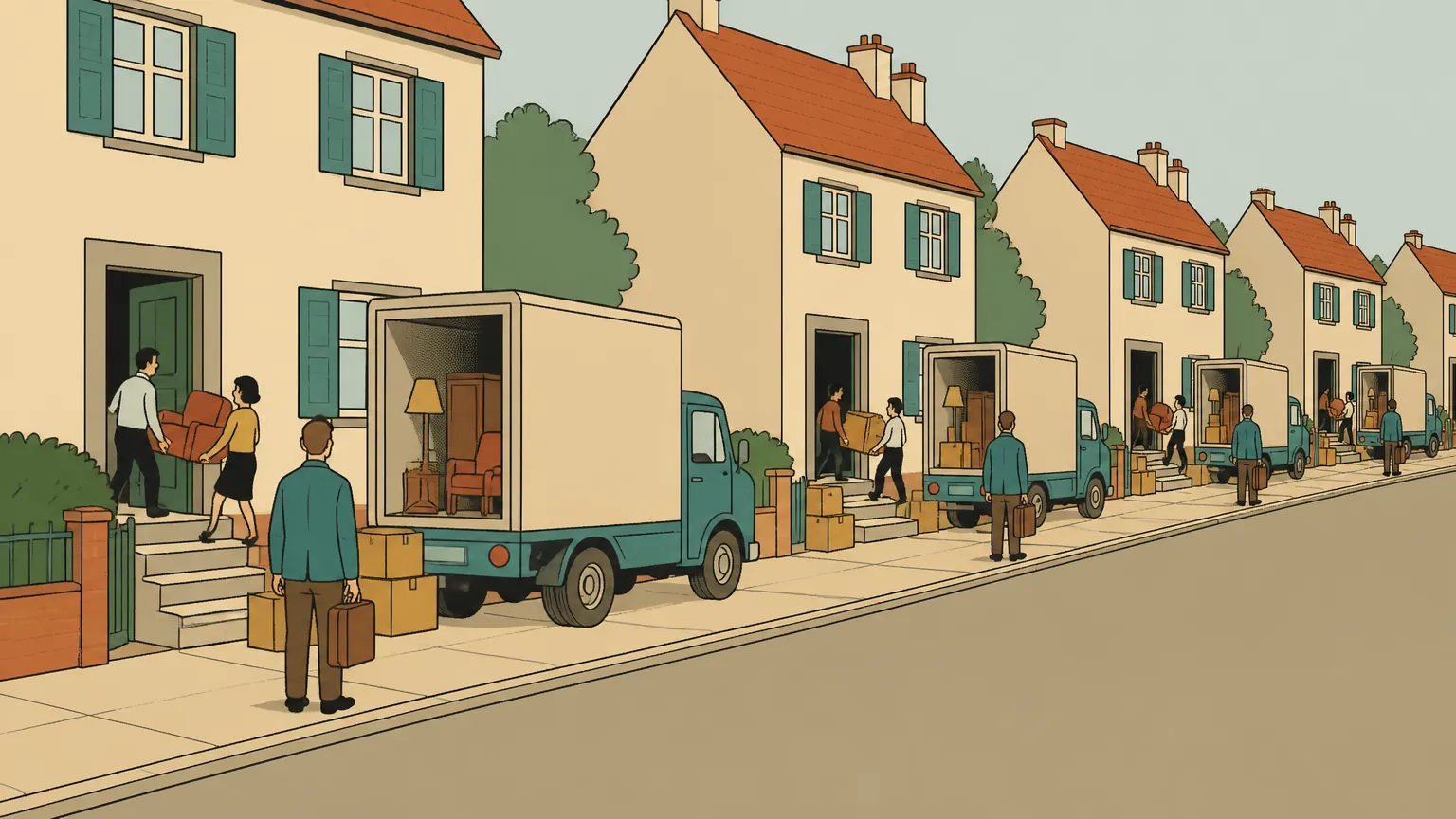
Frederic says that in looking for a new house he has been told five or six times in a row that the property has just been sold, and assumes this is not random.
The Wonders say it is not just that - the market had been rising and tightening - and advise him to wait another month or two, when the market will become much easier, adding that some countries are going to crash hard and that he should not be afraid about his personal situation.
Frederic says he is not afraid, only annoyed by people around him emptying the shops.
The Wonders remind him that what he is is what they are, and ask who he is calling stupid when he says it of someone else; he acknowledges that his contempt for humans includes himself.
They tell him his humanity is what makes being physical part of the great experience, and mention a recently completed workshop on being physical and non-physical and moving between the two that he may want to avail himself of.
Meditation and staying conscious during it ▶ Play excerpt02:38
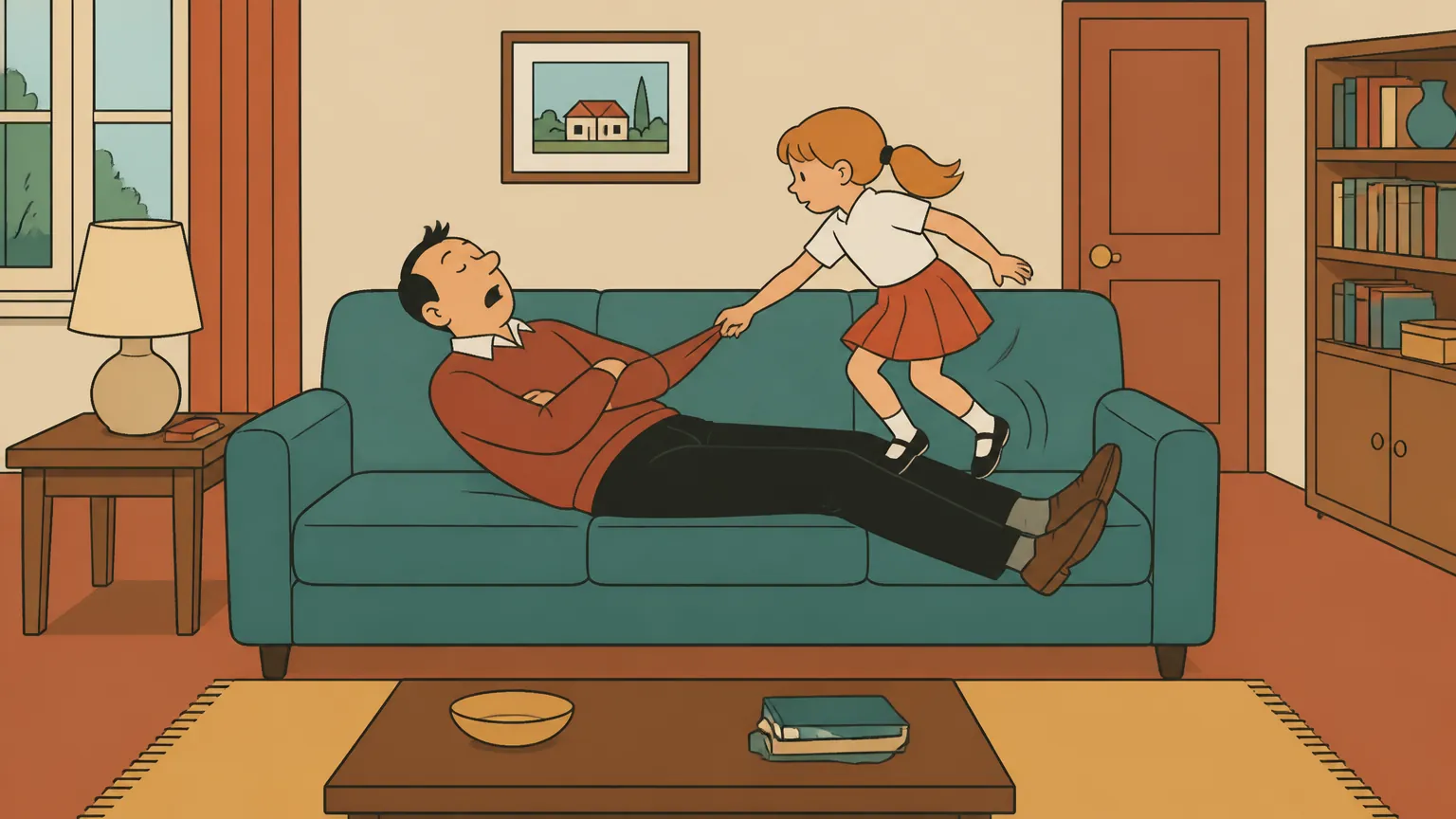
Frederic says he has had more time to meditate lately but cannot always remember what it was about.
The Wonders tease him about lying on the couch with his feet crossed, snoring.
Asked whether one must be conscious to meditate, they say no, and that a great deal can happen while unconscious - especially if the mind is directed before going under - but that to actively move the consciousness during the process it is best to remain conscious.
Frederic concludes that he has been exploring without actually shifting consciousness, and suggests that asking in which direction to direct the consciousness would be counterproductive; the Wonders agree at this stage and simply tell him to try to remain conscious during his meditation.
In the post-session reflection the channel describes seeing Frederic asleep on the couch with his daughter jumping on him asking what he is doing, and Frederic answering that he is meditating.