Session 47 — January 2019
Rejuvenation, sleep and unconscious longevity ▶ Play excerpt03:41
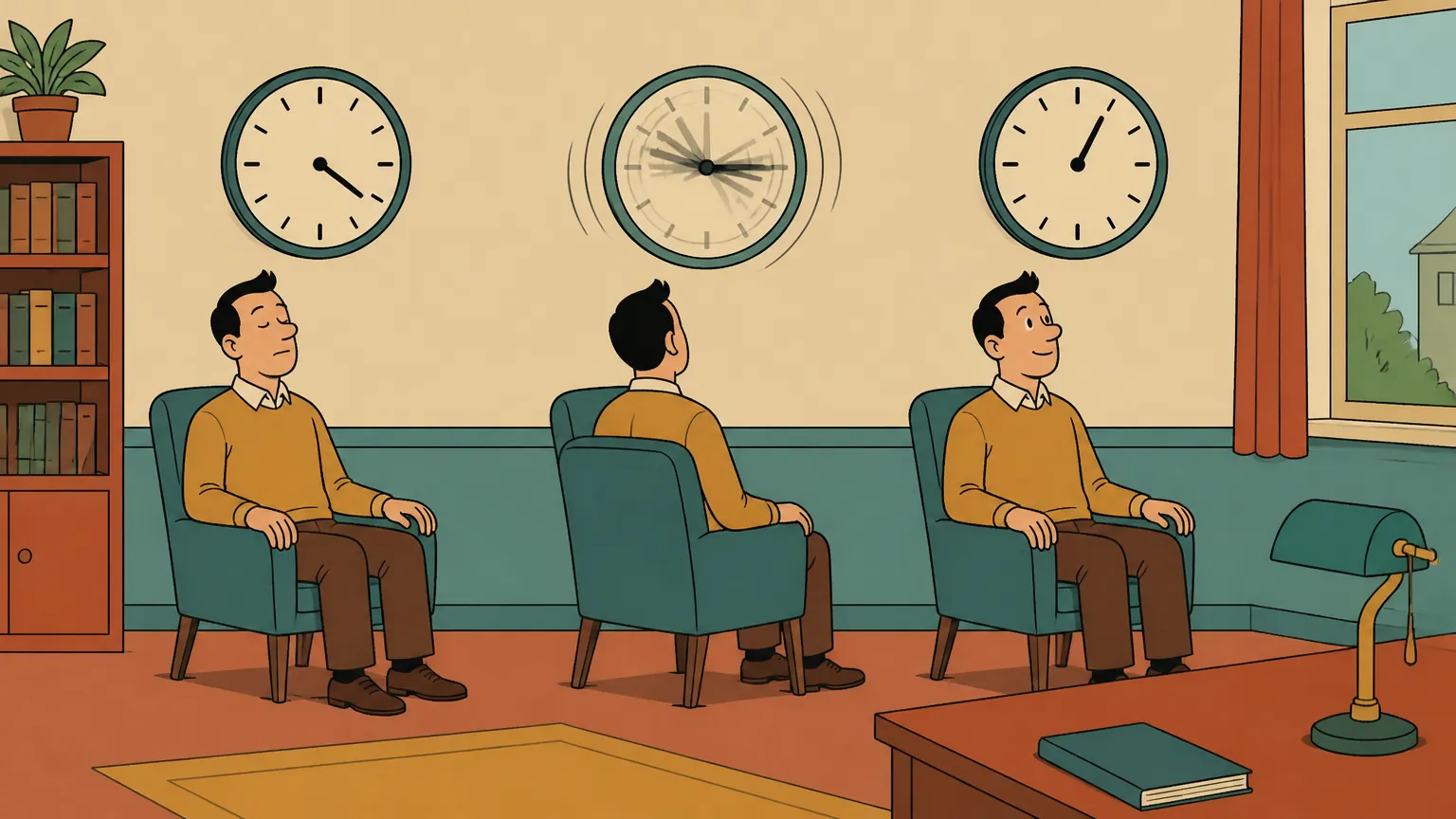
Frederic recalls the sleep series distinction between sleep and rest, and the claim that a figure such as Abraham lived some 900 years by rejuvenating his body unconsciously, and asks whether that can only be done unconsciously.
The Wonders confirm Abraham did it unconsciously, without thinking about it, that portion being active in him, but say virtually no one is at that stage now and it would require a true awakening.
Rejuvenation can be achieved consciously: they note that a 20-minute meditation can be worth two or three hours of sleep, that one hour of the radiance technique equals four hours of sleep, and that Asimaya is another such technique.
The obstacle is that in waking life most people never fully rejuvenate even while using these techniques, because their minds stay busy solving puzzles; one must suspend that part of the mind for ten, fifteen, twenty minutes or half an hour of thought without thinking.
This can be done deliberately by declaring that for the next ten minutes one enters a full, aware yet quiet state, after which the body rejuvenates.
They add that Abraham's ability was not learned from previous lifetimes but was a soul awareness that permeated his unconscious portion.
The thoughtless part of the unconscious as soul essence awareness ▶ Play excerpt04:59
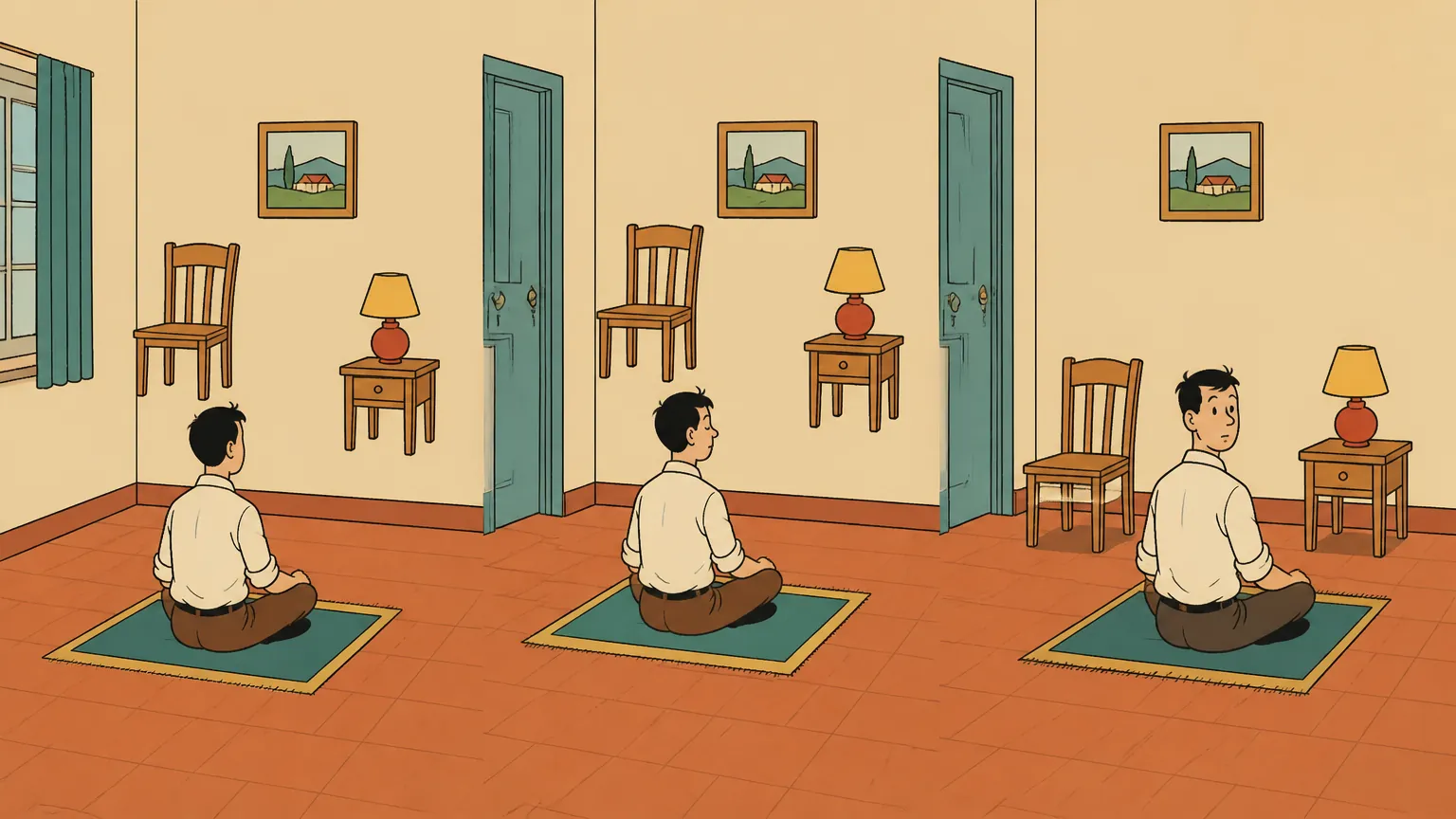
Frederic asks whether the part of the unconscious that has nothing to do with thought is what would be called nothing from a conscious perspective.
The Wonders agree and describe it as soul essence awareness: the moment thought is applied to it, it is defined, judged and limited, so no words can describe its essence, only its logical or pragmatic aspect.
In a full meditative state with no thought at all, one can reconnect with soul essence and bring that awareness into oneself, but this cannot be done by thinking, and they note the difficulty that hearing this makes people think about how not to think.
They describe a state of being in which, regardless of what the mind continues to think, the essence of the self connects with everything one is: soul essence, awareness, physical, mental and emotional.
At that point awareness moves from the soul essence into the only part of the mind not directly influenced by thinking, the unconscious.
Coming out of meditation one realizes it exists but cannot be controlled, defined or judged; one simply knows, and later, on reflection, recognizes one has been doing it.
Asked whether this can happen outside meditation while doing something else, they say it can, provided the activity does not involve active thinking to the degree his mind currently thinks.
Where Frederic's questions come from ▶ Play excerpt01:05
Frederic asks whether his questions are only puzzles generated by his mind or come from something deeper.
The Wonders answer that he has a deeper desire, residing in him, to explore past his mind, and that he has been on this journey for a number of years, beginning to realize there is something within him that is not mind.
He is trying to find where it begins and ends, but beginning and end are mind concepts; eventually he will realize it does not matter where it begins or ends, only that it exists, and that acknowledging its existence lets him allow.
Monks, losing the ego, and the state of nothingness ▶ Play excerpt03:01
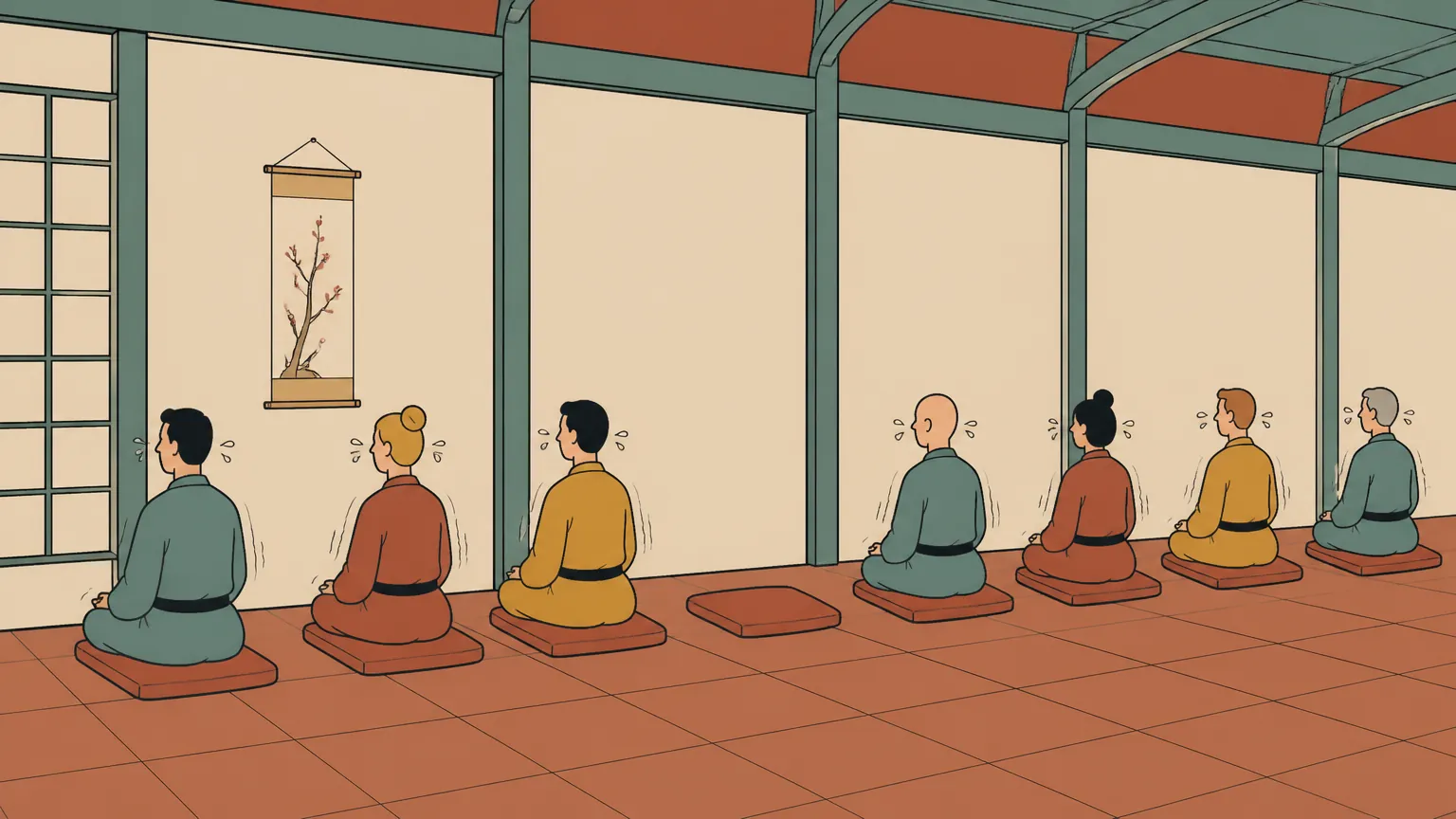
Frederic asks about practitioners such as Buddhists whose goal is to lose the self or ego.
The Wonders confirm they are trying to reach a state of consciousness where they are not involved in the thinking, while the mind continues to think, in order to become one with soul essence, but say no monk in thousands of years has achieved it, mainly because they keep thinking about trying and cannot suspend thinking about thinking.
Their offered solution is that the how-to is itself the thinking: one must get away from methodologies, techniques, directions, purpose, sense of direction, judgment and difficulty, until eventually there is nothing, which is the state of nothingness in which all things are allowed.
Frederic observes that the moment one becomes consciously aware of it one is no longer in it; they agree, but say that within one minute instant of nothingness everything can occur, and name this the suspension of will.
The mind's habitual rigidity, resting and illogical dreams ▶ Play excerpt02:52
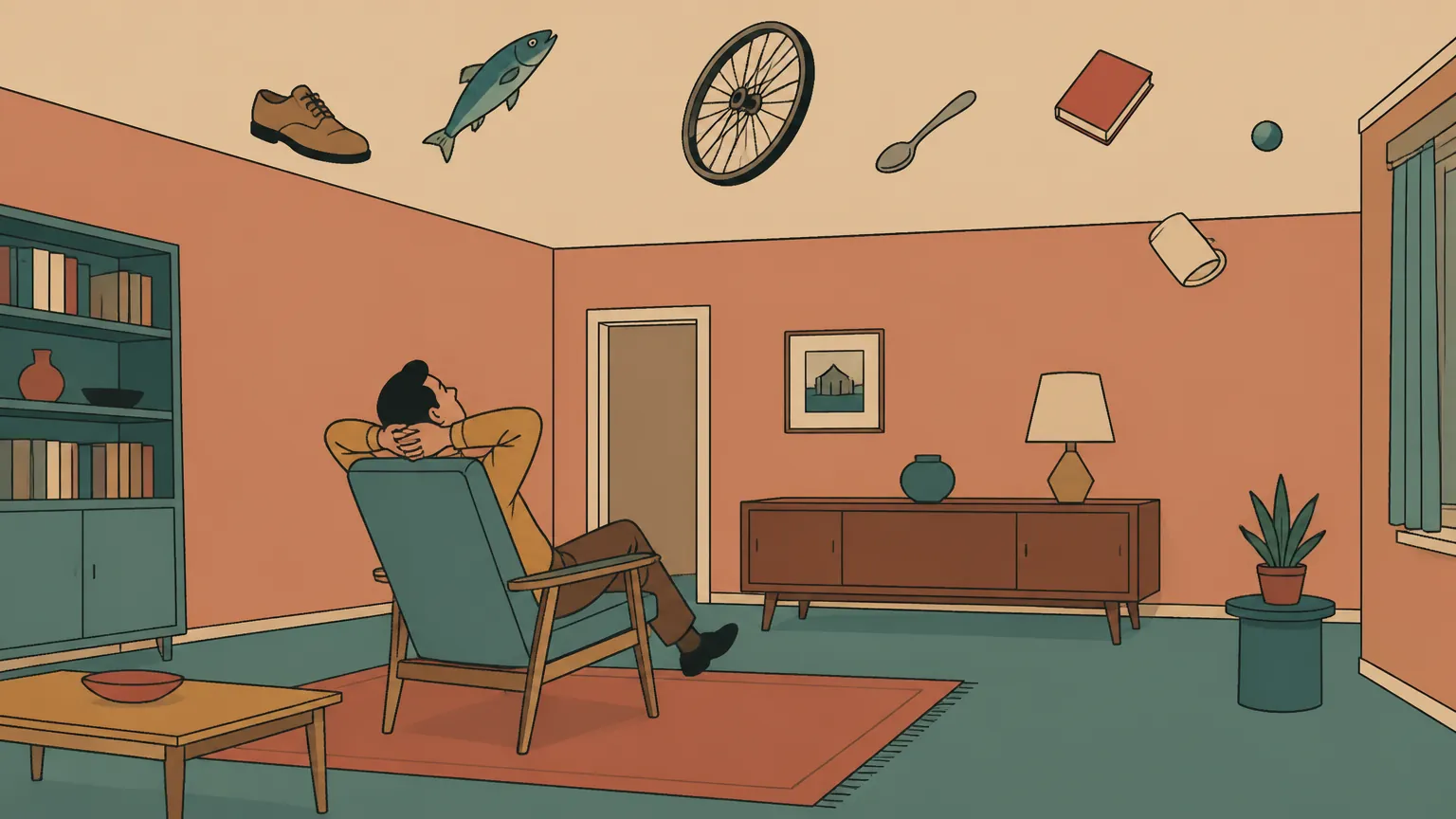
Frederic returns to the earlier point that the mind is a completely flexible tool that people do not see or use that way, suggesting the mind goes to what is habitual for it and that this illusion is what stands in the way of using it flexibly; the Wonders confirm he is starting to get it.
He says he has been thinking about this especially while resting rather than sleeping, and they endorse resting, closing the eyes and relaxing or daydreaming as a good way to suspend the constantly busy part of the mind.
He describes dreams that are hard to remember, going in all directions with no apparent logic, and finds them sometimes tiring; they reply that this is wonderful and that the tiring part comes only from trying to define, judge and control it and demand an answer from it.
They close with an analogy: one does not need to think about how, when, why or with whom one ejaculates, only to realize that it brings pleasure, release and joy, and that all that matters is that it is there.