Session 9 — July 2009
Whether past lives are worth exploring ▶ Play excerpt06:19
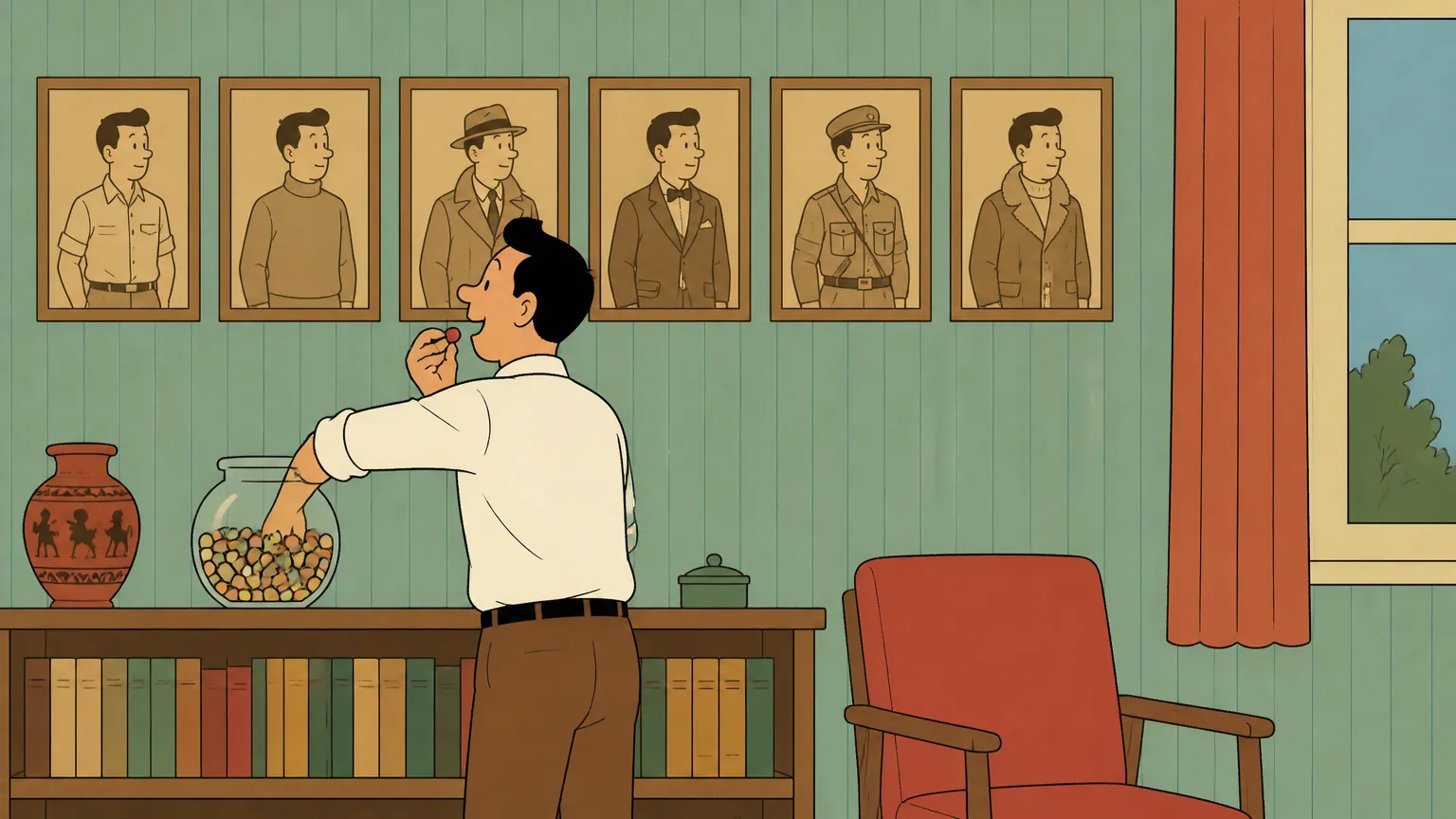
Frederic considers exploring past lives but first asks whether it is more than curiosity and mind candy.
The Wonders confirm it is of no real consequence: past lives give the mind an understanding of why choices are made, but choices are made because one chooses now, not because of any past-life circumstance.
One can resonate with a past life — feeling connected to something because of a present choice — but it does not influence the present, and the fashionable New Age idea that it does rests on the karmic principle, which they call sheer poppycock.
Exploring past lives is therefore a curiosity about where resonance comes from, and is fun and exciting mind candy, but nothing holds power over him.
They admit that they sometimes give a past-life resonance because an individual will not choose differently without a justification for doing so; if a psychology says the past life is affecting the present, exploring it can be worthwhile to remove that psychology, but it remains merely justification for not choosing differently now.
Frederic asks whether talking to them is also a justification for his choices; they agree it partly is, since he seeks their approval, which they never give because approval is his own to make.
He could instead use them to explore possibilities and probabilities of future choices, new concepts and ideas — though most people come to them simply wanting justification for what they are already doing.
Marketing, self-promotion and expressing one's truth ▶ Play excerpt05:17
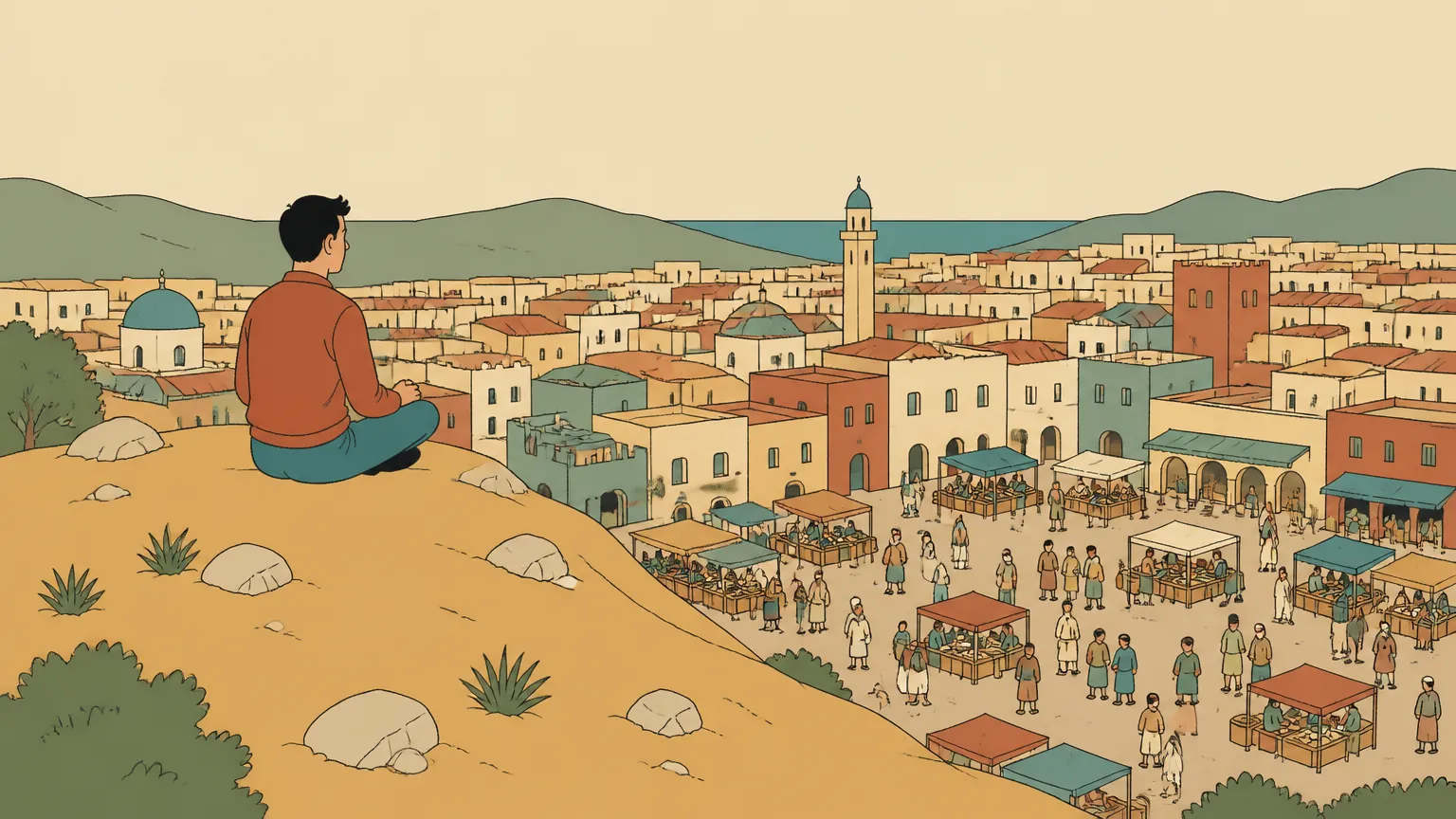
Frederic observes a reluctance in the New Age movement to promote or market oneself, while pushing people to buy is a push energy usually based on fear, and asks where the balance lies.
The Wonders say many New Agers believe they need not express themselves at all — sit on a mountain navel-gazing and everything will come — and while the mountain does eventually come to Mohammed, it can take a very long time.
They encourage manifesting one's brilliance, part of which is expressing with clarity who one is, what one does and how one shares oneself.
The more one shares without demanding that others buy, agree or buy in, the more one expresses one's truth — which most New Agers talk about endlessly but fear too much to actually express.
Their 'new marketing' is therefore to express one's truth using all the amazing techniques and methodologies available, but never tailoring that truth to a particular market or group.
It is not about changing or forcing people, only saying: this is who I am, this is what I am about.
If corporations understood this, they could connect with humanity through a resonance of realness, whereas marketing today is mostly a tool to befuddle the consumer into buying.
Frederic's initiative of asking forum members to share their experiences fits this direction.
Practically, they agree the more real one is, the more people buy the product or service, because they are buying a part of the person; if it is merely something assembled to convince them, why would they buy it?
Participation in the forum ▶ Play excerpt05:22
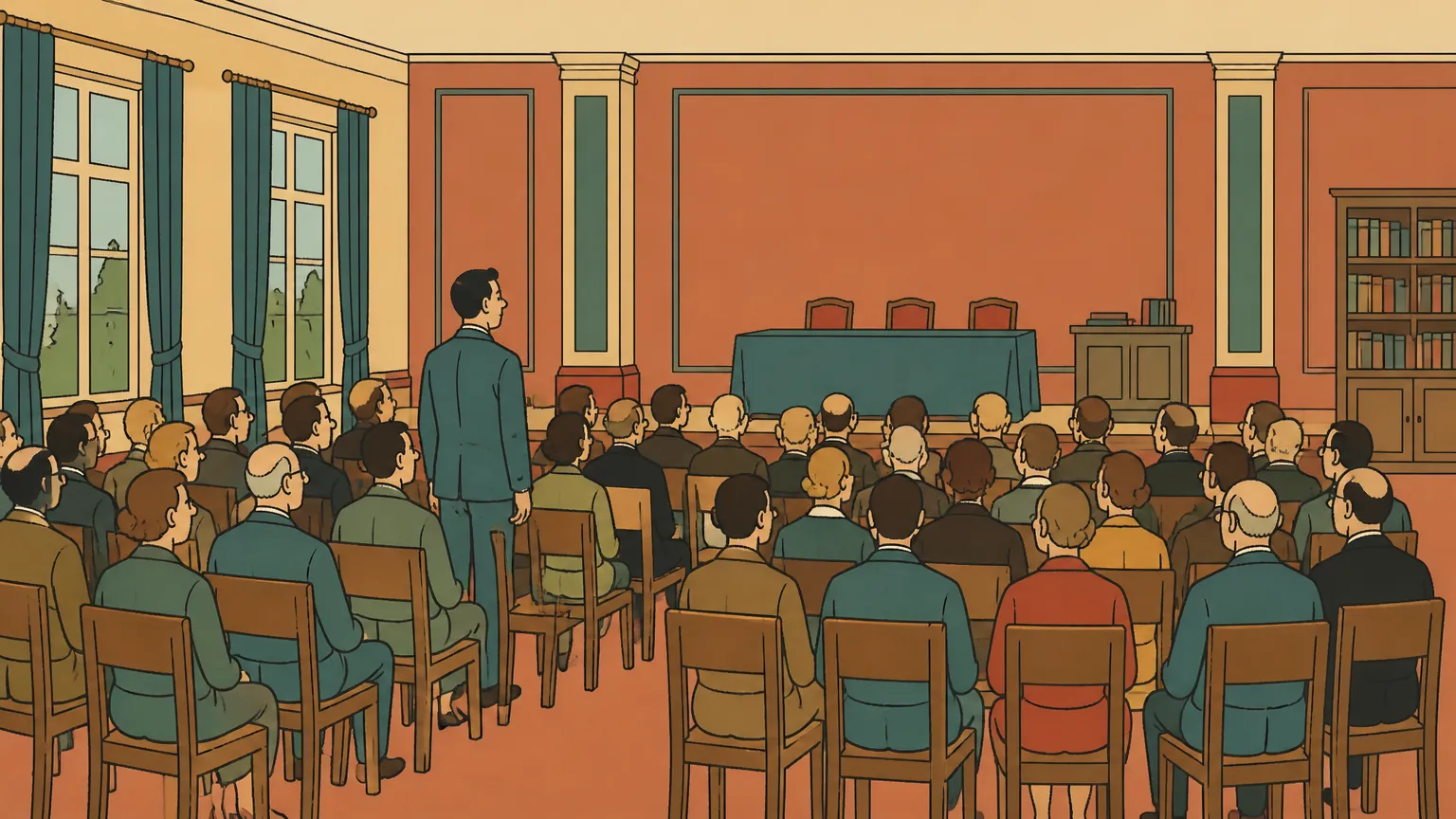
Frederic asks what would be beneficial to post on the forum.
The Wonders say the forum is doing reasonably well but that only a core group invests itself regularly while the rest watch, listen and read; they encourage participation rather than observation.
Observing life without judgment is not sufficient without choosing to participate, or one does not experience life.
Participation makes the forum a community of conscious expansion where ideas and constructs can be shared, explored and discussed — though they distinguish discussion from argument, which they say is fear-based.
They tell Frederic his own involvement has been interesting but minimal at best, and that he puts in what he believes is his maximum because he is a busy man with too little time — the same claim everyone makes — when posting 'hello, I'm here, here's my thought for the day' takes almost no time; what it takes is a willingness to invest oneself.
Considering posting in French rather than English, he is told to go ahead, since nothing says the forum must be English only and many would appreciate it — but he should post in French because part of his truth is French, not because he is targeting a market.
On his lack of time, they observe that people spend so much time justifying what they do not choose that little time remains for what they do choose.
The economy of his country and the opportunities coming toward him ▶ Play excerpt04:15
Frederic recalls being told in an early session to expect inflation rather than deflation and asks about the economic outlook where he lives.
The Wonders say the country's economy will progress rather well and is doing better than most despite the fear all around, so there is no need to fear it.
More importantly, within the next year to two an opportunity is coming rapidly for him to set himself up as a consultant to most corporations in his area.
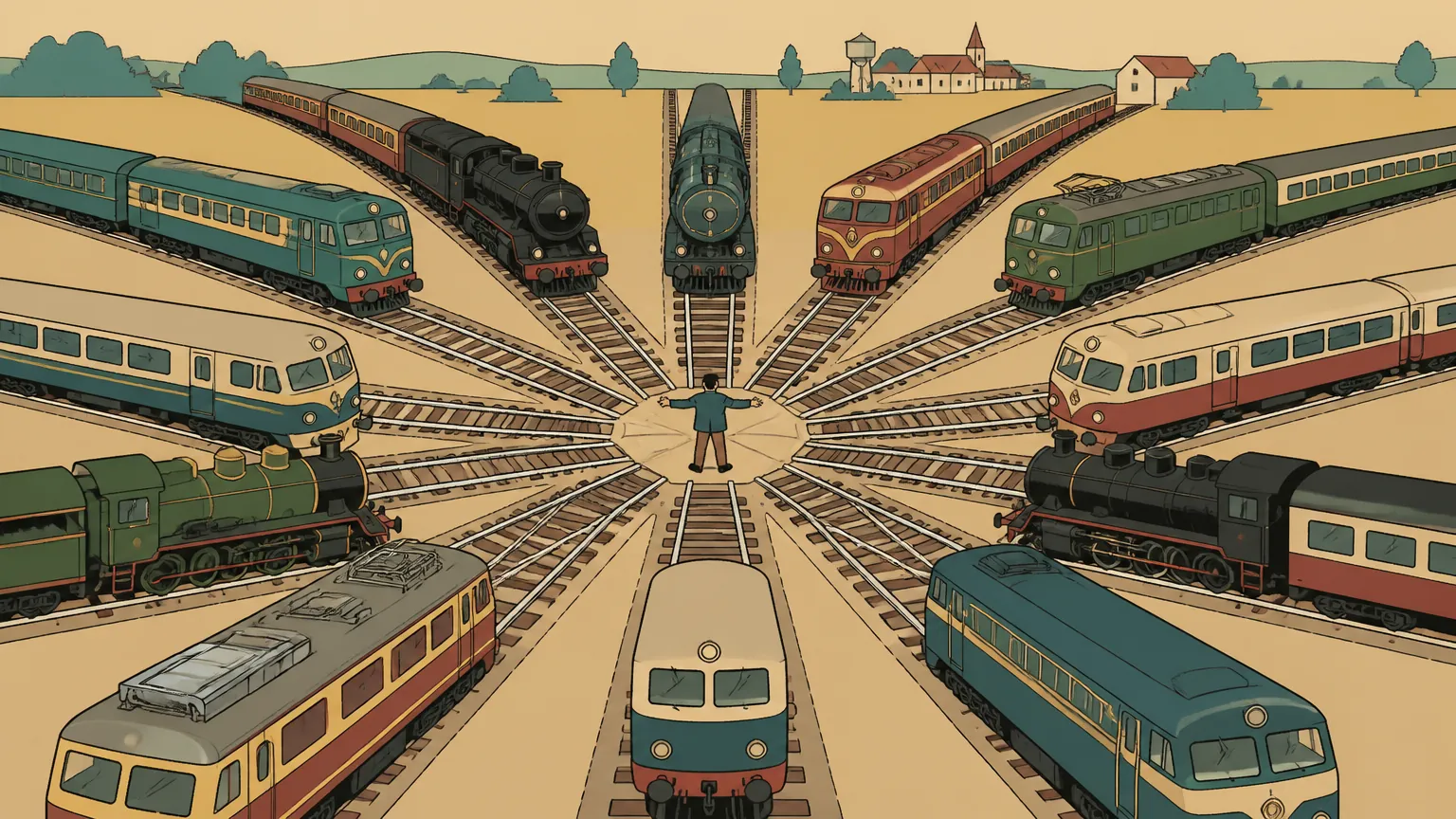
They describe a dozen trains bearing down on him with himself at the centre point: forces set in motion long ago by his own choices, now arriving faster because of his willingness to explore and expand.
Without a willingness to step outside the box of how he defines himself, these opportunities will bowl him over, bringing fear, loss, gain and instability.
If instead he chooses to step outside his self-definition and recognise himself as someone who can give many people clarity of thought, action and choice, he can take command of the situation and create a life of expansion he never thought possible.
Why people take the easy way, and the primacy of choice ▶ Play excerpt03:16
Asked what the most valuable question he could ask would be, Frederic asks why we always tend to follow the easy way.
The Wonders answer bluntly: because he is lazy, and it is his nature — the mind's way of stopping him from expressing his brilliance.
Having watched his father, whom he judged a brilliant man, settle for mediocrity while pretending to brilliance, part of him refuses to play that game and prefers laziness, telling himself he is at least not mediocre, when in fact he is being mediocre by not choosing his brilliance.
In closing they say that whatever one does, however many words or books one writes, it all comes down to one thing: choose.
Nothing happens without choice; one can even choose to have nothing happen, and then nothing happening is itself the happening.
The moment a choice is made, energy and movement are created, and that movement is followed by another choice.
He should look at his life and ask whether this is who he wants to be — if so, change nothing; if not, make a different choice.