Session 5 — December 2007
Practising Asimaya without the mind ▶ Play excerpt07:40
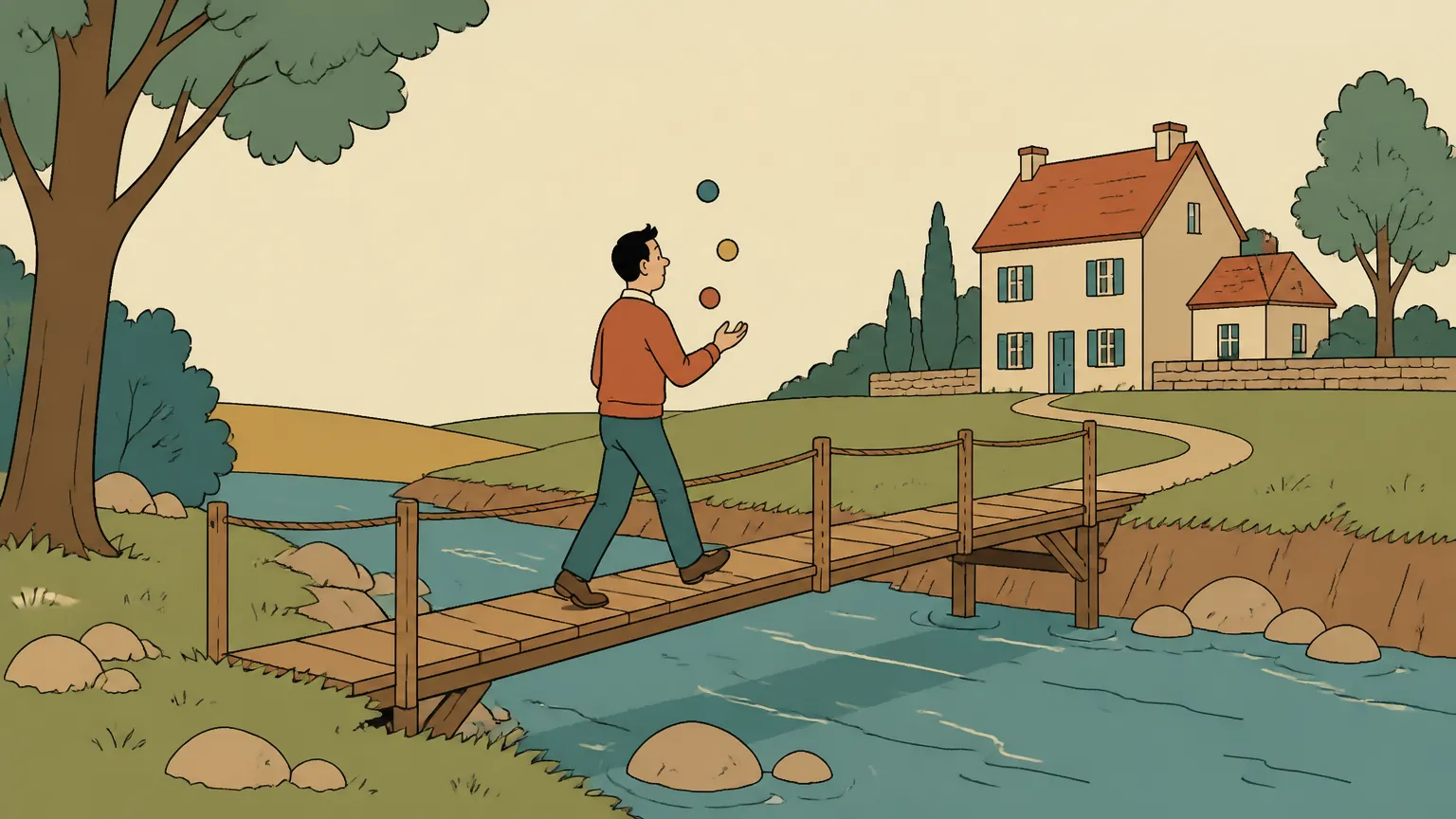
Frederick says that unlike other techniques he cannot perceive what happens when he practises Asimaya.
The Wonders reply that he is not meant to: the moment the mind interferes he is no longer performing Asimaya, because the connection is to a universal energy based on ease, and the mind destroys that ease.
He should suspend the mind and let it go off to play — many find it easiest to practise while deliberately distracted.
Contrary to his assumption, focusing hard on what he is doing is exactly the mind at work.
They describe Asimaya as creating a bridge between consciousness and awareness so that choice can be made; one cannot force choice on another, only create the environment in which choice can arise.
When they originally gave it, they said it could be done in many different ways.
His real difficulty is judging afterwards whether something happened: some people choose instantly, others only begin moving toward choice over days, so the mind looking for cause and effect finds Asimaya will not play its game.
They contrast this with the idea that the Nazarene touched a forehead and healing followed instantly, saying that is not what he actually did, and that Asimaya encompasses what the Nazarene did and more.
Asimaya works behind the mind and personality; the self makes the change in choice and the mind must catch up, sometimes at once, usually much later because the mind is looking forward instead of observing.
It is a very gentle energetic healing that lets people move without fear being created, so the mind does not feel interfered with.
There is no right or wrong way to do it, but pushing with the mind creates resistance.
He should observe without judgment and he will observe the changes.
Resistance, pride in being a 'record holder', and energy ▶ Play excerpt06:50
Frederick mentions having been told years ago that his mental resistance overloads his nervous system to a degree that made him a kind of record holder for his country.
The Wonders call that a perception: he is one of many, and plenty of people resist more than he does.
They point out that his mind is quite happy being a record holder and uses it to describe itself — an ego trip — and that as long as he prides himself on the record he stays attached to his resistance; without the pride there is nothing to push against.
Two parts operated in him: one saying this is terrible and will hurt me, the other saying look how good I am; because he avoided facing the harmful part, the proud part grew stronger, and things only changed when the 'you that is you' told the mind to stop.
They credit him with beginning to command his mind, and note that resistance does have physical reality since the mind creates it — more resistance means moving toward self-harm — but that his resistance has decreased considerably over the past year or two.
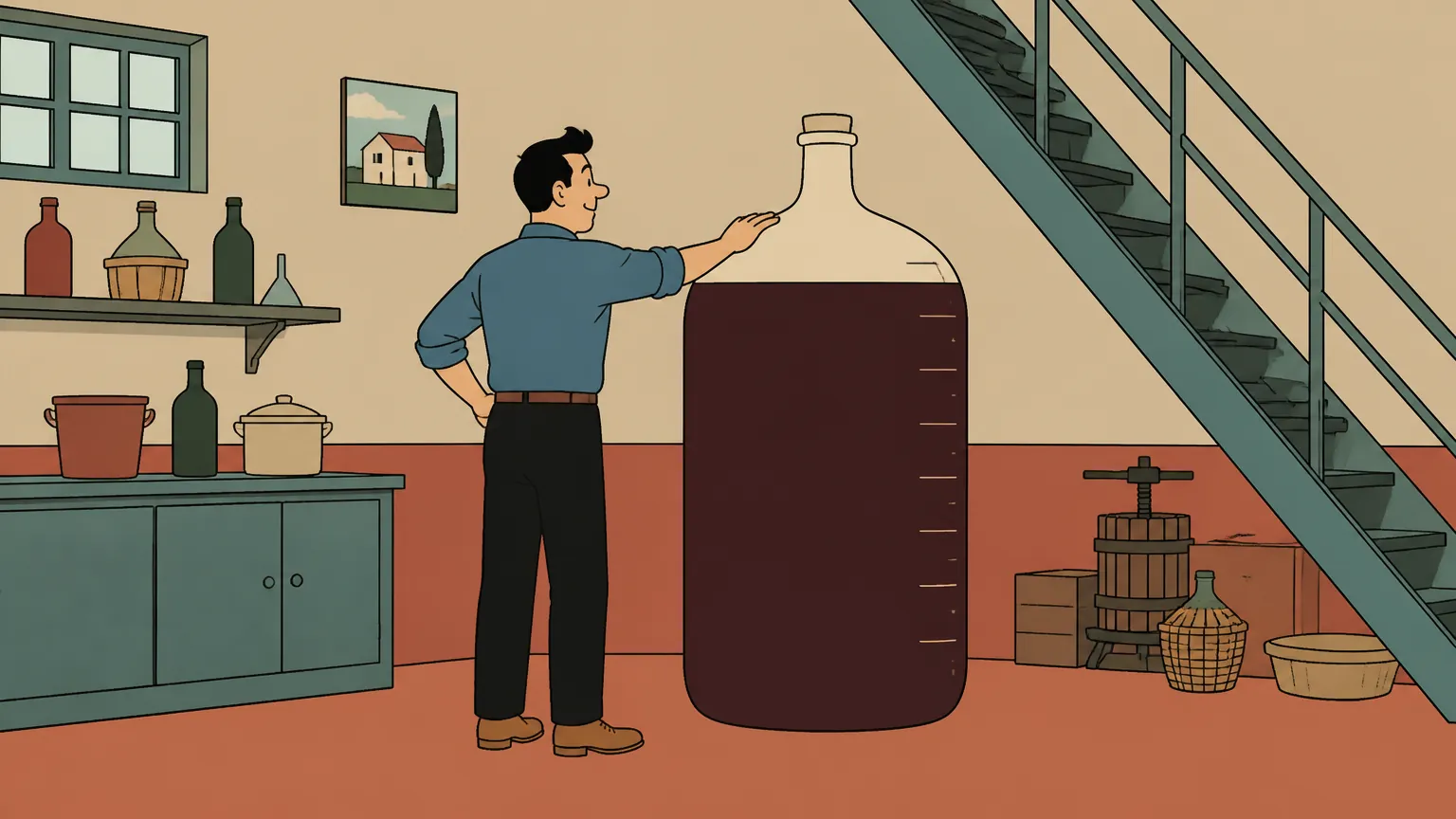
Using the image of a gallon jug in which 90% is resistance and 10% choice, they show that removing 10% of resistance nearly doubles choice and thus energy; halving resistance would leave him flying so fast that his mind would panic and push resistance back up until reassured.
So yes, he will have far more energy the more freely he chooses.
They recommend the series from the August retreat on changing from a consciousness of fear to a consciousness of free will and free choice.
Beliefs, psychologies and the power of choice over the body ▶ Play excerpt07:50
Frederick raises a series of beliefs.
On rubber shoes blocking the flow of energy the Wonders answer 'poppycock' — though holding the idea in mind will make it so — comparing it to the notion that right-handed writers are only logical and not creative.
On whether people incarnate with more or less energy, they say most incarnate to experience existence and that the choice to create resistance comes very early, sometimes at birth when fear is created, so in that sense some are born with much less energy, which is why some fall ill early; but the connection to universal energy is constant and it is choice that creates the perception of less.
They joke about contradictory psychologies concerning masturbation weakening or strengthening sperm and about athletes avoiding or seeking sex before events, concluding that it is all psychology and the only question is what one chooses.
Beyond chosen psychology there is only choice, and choice creates the psychology — some people accept their parents' beliefs, some go beyond them, some adapt them, some build belief structures around fear.
Asked why people who believe they are bulletproof still die when shot, they say such people express a surface belief while their deeper psychology retains the awareness that being shot brings death; the total belief can be changed in practice, not just theory.
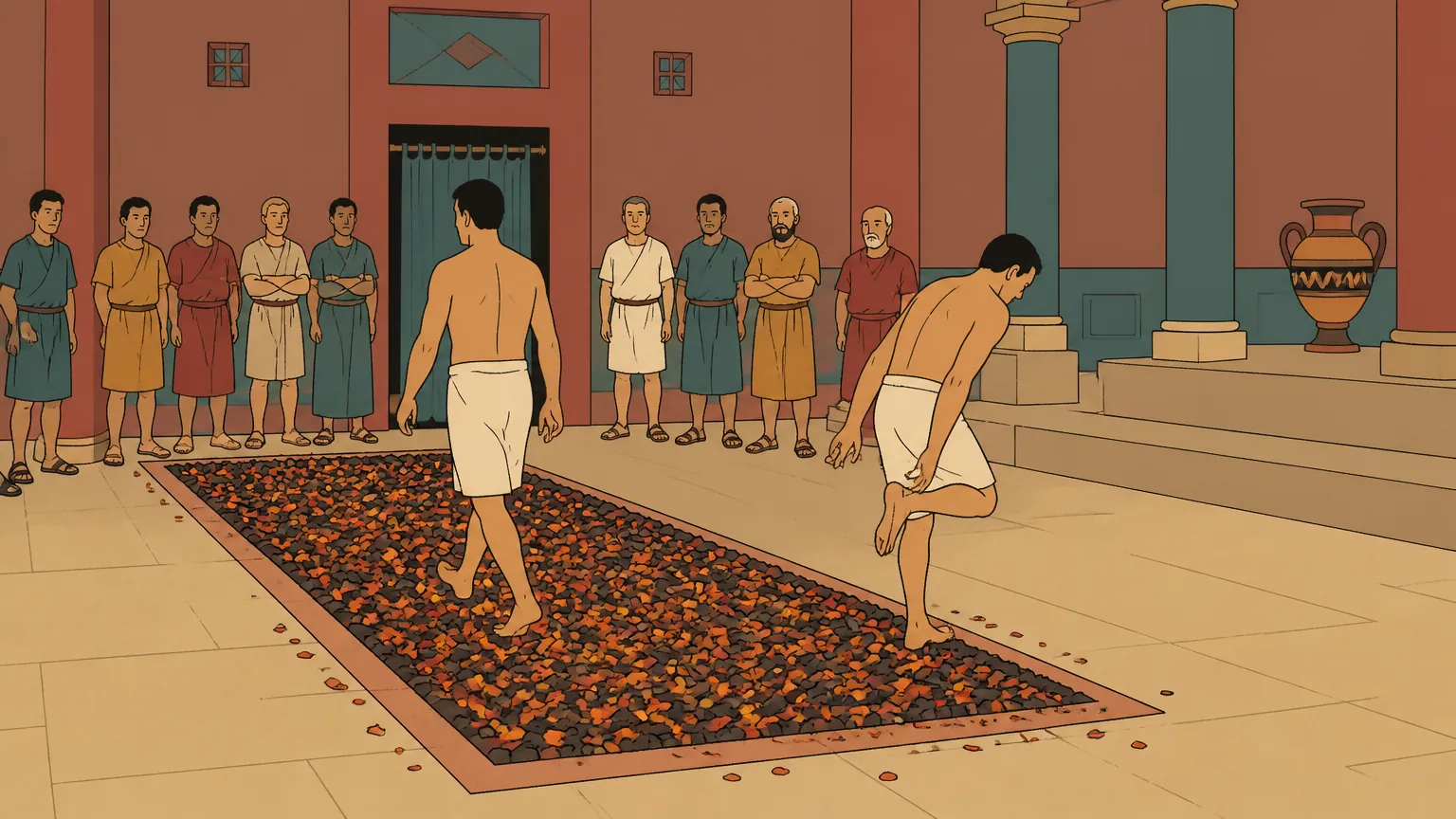
They cite firewalking: Frederick walked on coals without burning because a physical explanation made sense to him and he reframed the complete belief, whereas those with only a surface belief start hurting halfway across.
The same reframing could apply to being shot, though they advise against testing it.
People who pierce themselves without bleeding likewise simply believe differently.
Changing a belief is a matter of choice, limited by how much one resists and how attached one is to that resistance and to what one already knows.
Fear-based questions versus questions of exploration ▶ Play excerpt06:38
Frederick says he does not think he has ever asked a question that was not fear-based and wonders what a non-fear question would look like.
The Wonders answer: a question of exploration.
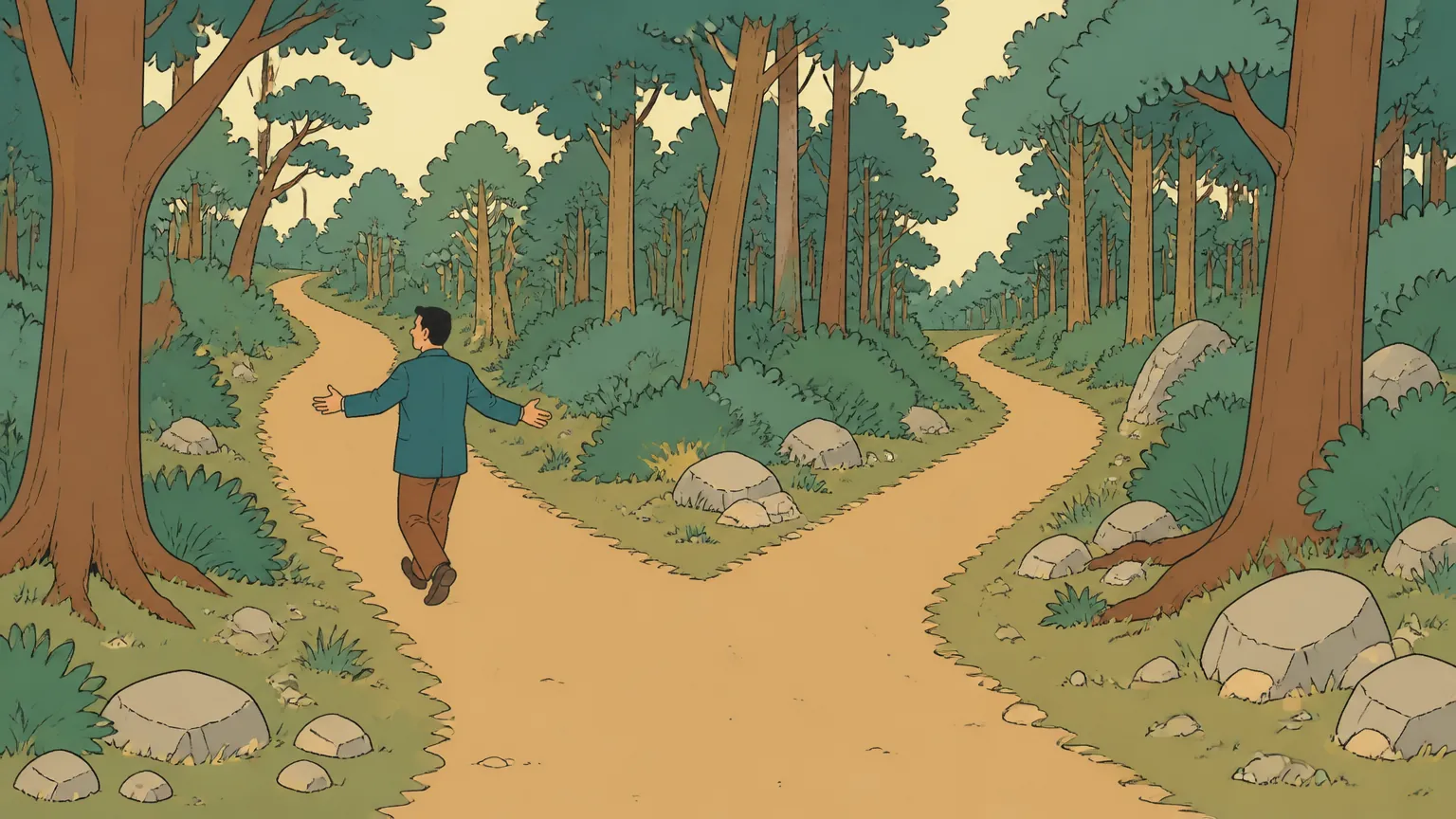
At a fork in the road, fear asks 'tell me which way to go' while freedom says 'let's go this way and see what happens'; fear is the how-tos, make me feel better, tell me what to do, take care of me, while free choice says let's explore.
He admits he could find the answers himself but is not good at listening to himself.
Asked why he is looking for something not based on fear, he says he is getting tired of it — and they tell him to keep getting tired of it, because eventually he will stop using it.
They use the analogy of a child and sugar: forbidding it makes the child want more, while giving him as much as he wants until he is sick of it makes him ask for something else.
Everyone loves fear, defines and prides themselves by it, competing over who has more; they encourage him to go for it until he tires of the game, at which point the alternative is to choose freely.
Humanity, they say, is tiring — not yet tired — of the game of fear, and the visible increase in fear is the sign of getting full, until it finally says enough.
They describe the cycle of him coming to them, taking new perspectives away, generating more fear around them and returning, saying he wants out but not yet; each round either fills him with more fear until he cannot stand it or starts him changing.
Their role is to show him he does not have to go back and fill up with more fear.
They advise not pushing against it but having fun with it, and observing without judgment, since judgment is fear upon fear, until he says it is time to choose a different game.